About Galston Vet
7 Arcadia Rd, Galston NSW 2159




7 Arcadia Rd, Galston NSW 2159



Sandy Read knew she wanted to work with animals long before she was old enough to question it. A horse-obsessed teenager, she grew up admiring her grandfather, a successful racehorse owner and trainer who would become one of the biggest influences on her life.
“It’s not every girl that can say their grandad left them a Golden Slipper and a Canterbury Cup.”
Veterinary medicine wasn’t exactly the family tradition. Sandy grew up surrounded by lawyers, teachers and food technologists, only discovering later in life that earlier generations of her family had worked as nurses and pharmacists before the Second World War. In hindsight, perhaps caring for others ran deeper in the family than she realised.
What Sandy did know early on was that she wanted work that was practical and hands-on. The career with horses never quite materialised, but in veterinary medicine she found something else. Surgery became her great love - her “happy place” - and what began as a childhood fascination with animals grew into a career she hadn’t quite imagined for herself.
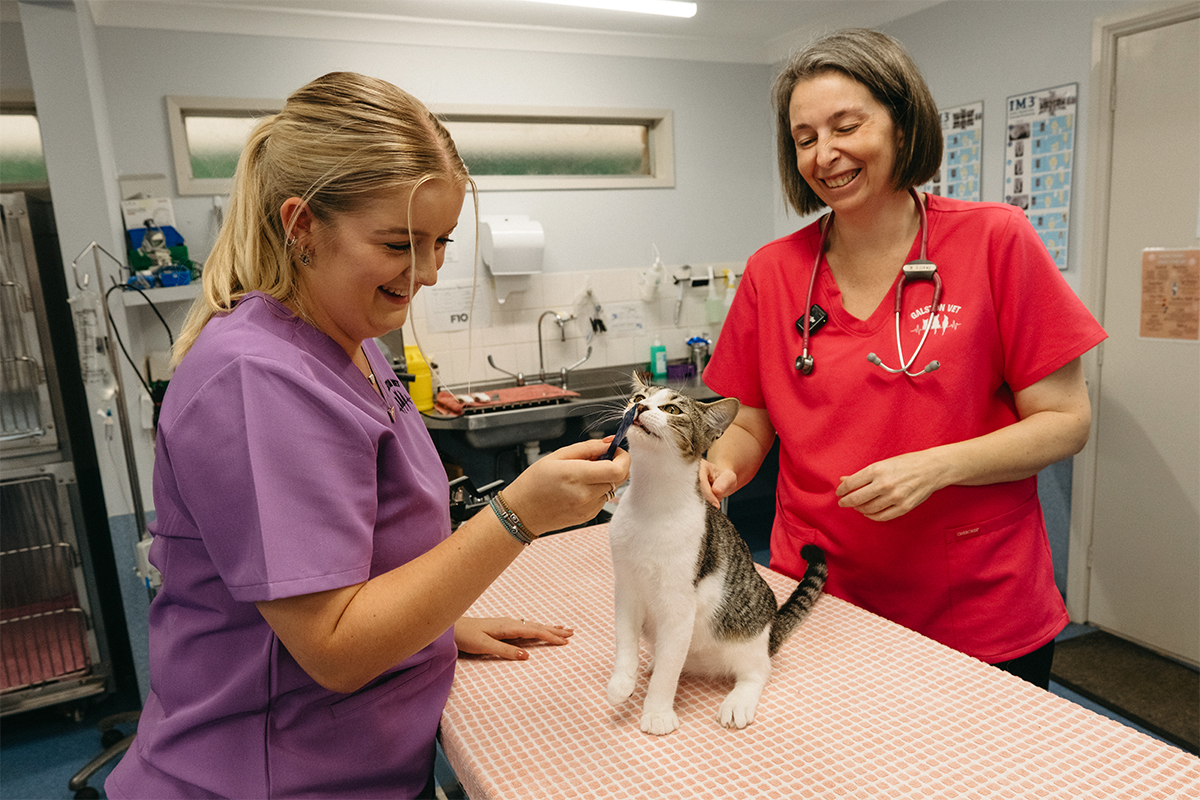
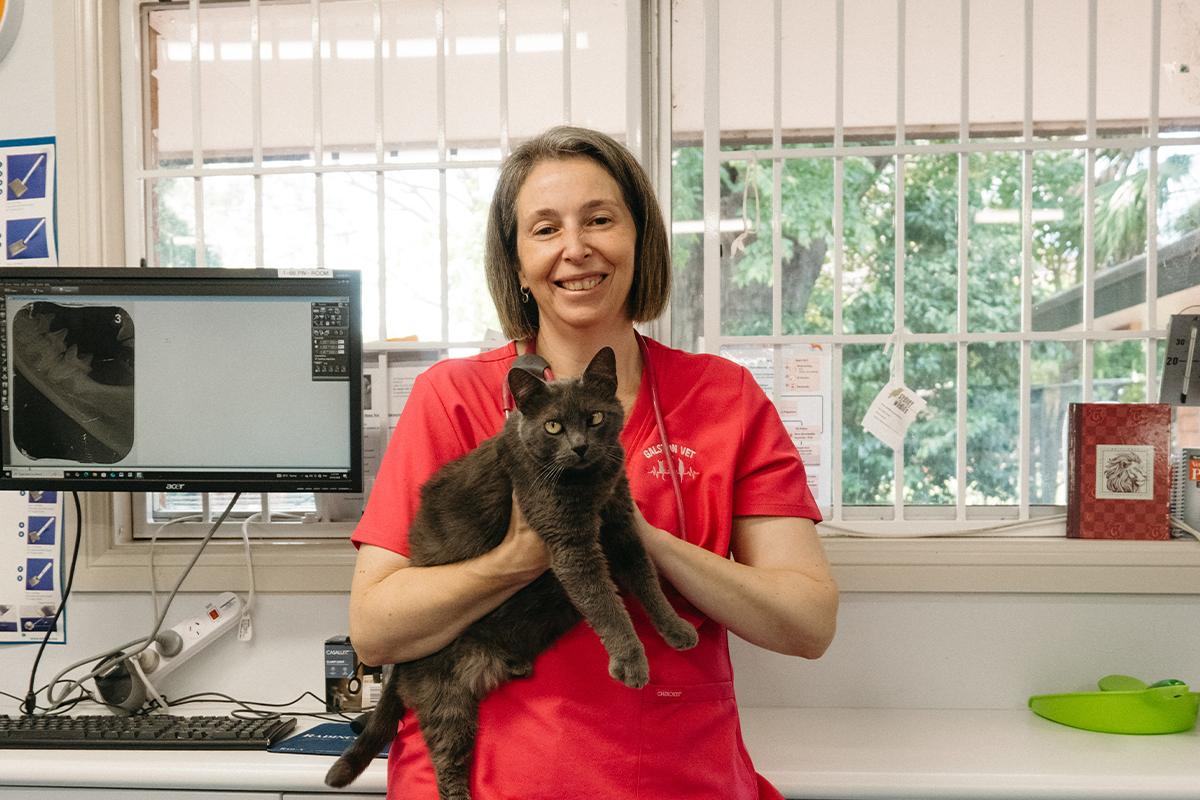
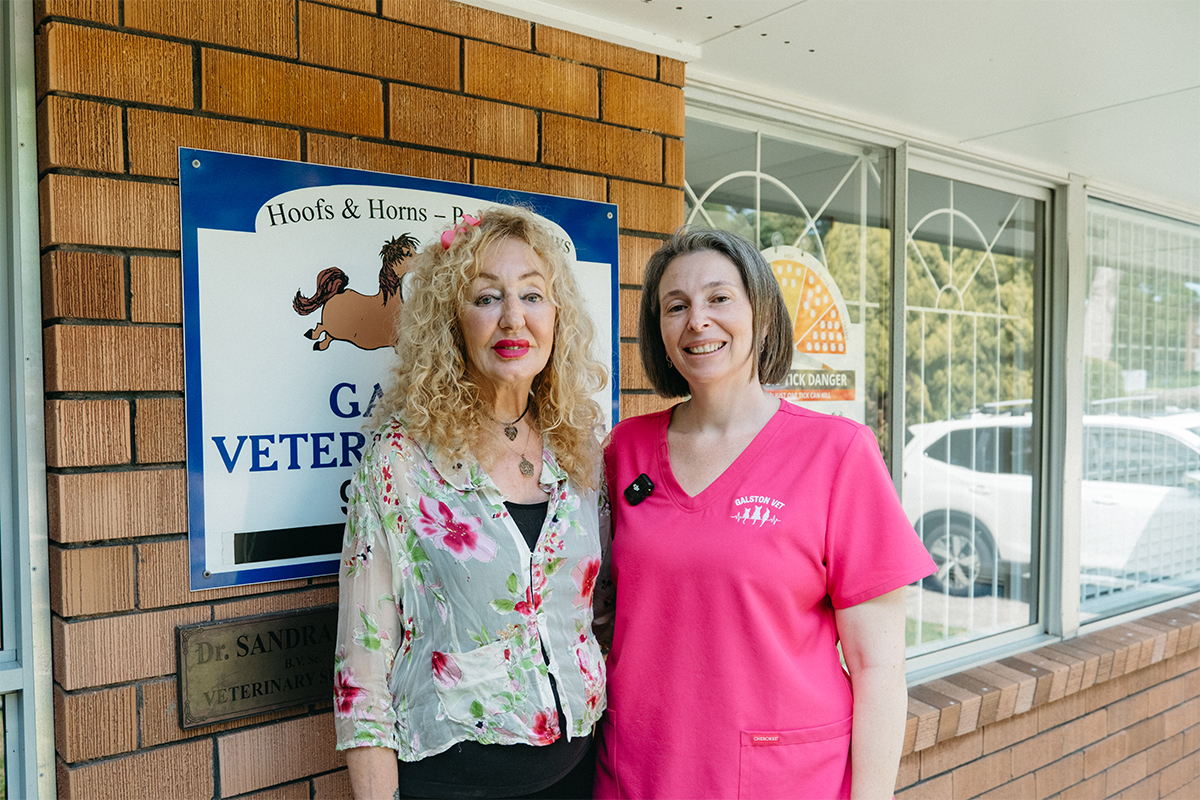
Dr Sandy Read owns and runs Galston Veterinary Clinic, an independent mixed-animal practice in North-West Sydney that has called Arcadia Road home for more than 45 years.
No two hours at the clinic look quite the same. Most patients are cats and dogs, with a fair share of birds too. Then there are the goats, sheep and alpacas, some brought into the clinic, others visited out on the property - alongside the occasional rabbit, ferret, reptile or fish.
When Sandy first started out, her focus was largely academic: knowing the textbook, mastering the surgery, getting it right. But over the years, her understanding of what it means to be a good vet began to shift.
“Time has taught me to focus on relationships, both with me and the owner but also the owner and the animal.”
Today, that philosophy shapes much of how the clinic operates, from the way Sandy consults and navigates difficult conversations to the care the team gives animals that arrive with no one to claim them.
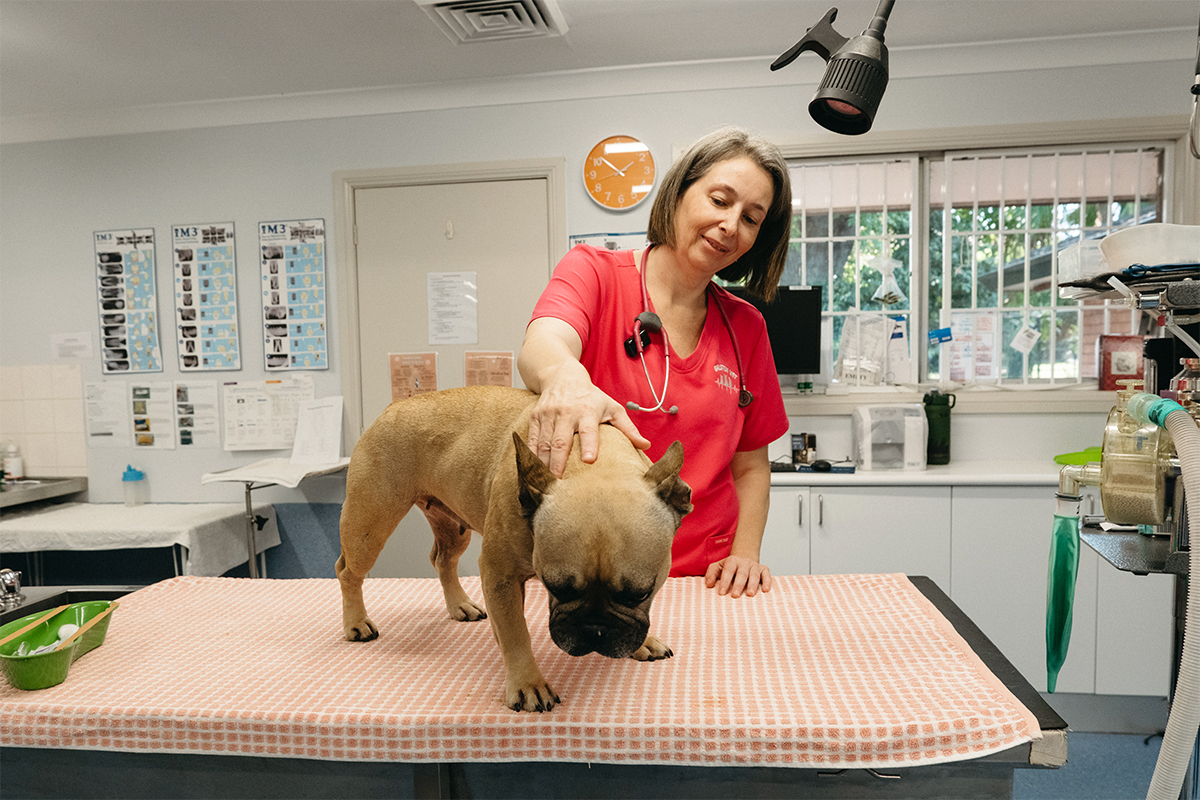
What was supposed to be an ordinary morning at the clinic turned into one of those stories Sandy still tells with a smile.
It started with a French Bulldog mum expected to deliver the usual two or three puppies. Nothing out of the ordinary, until Sandy looked at the X-ray and counted eight tiny shapes.
Then came the delivery.
One by one, the puppies arrived. And by the end, there weren’t eight.
There were nine.
All alive.
"The breeder was so thrilled that she gave me one of the puppies."
But ask Sandy what truly stays with her after all these years, and it isn’t necessarily the complicated surgeries or unusual cases. It’s seeing an animal arrive seriously unwell and, days or weeks later, watching them go home again with a relieved family.
“The most fulfilling part of the job is going to see animals that come in really, really sick, and they get better and they go home, and people are so happy and grateful.”
Every now and then, though, a case like those nine puppies still manages to surprise her, the kind of moment no textbook can quite prepare you for, and one that reminds Sandy why, after all these years, she still loves what she does.
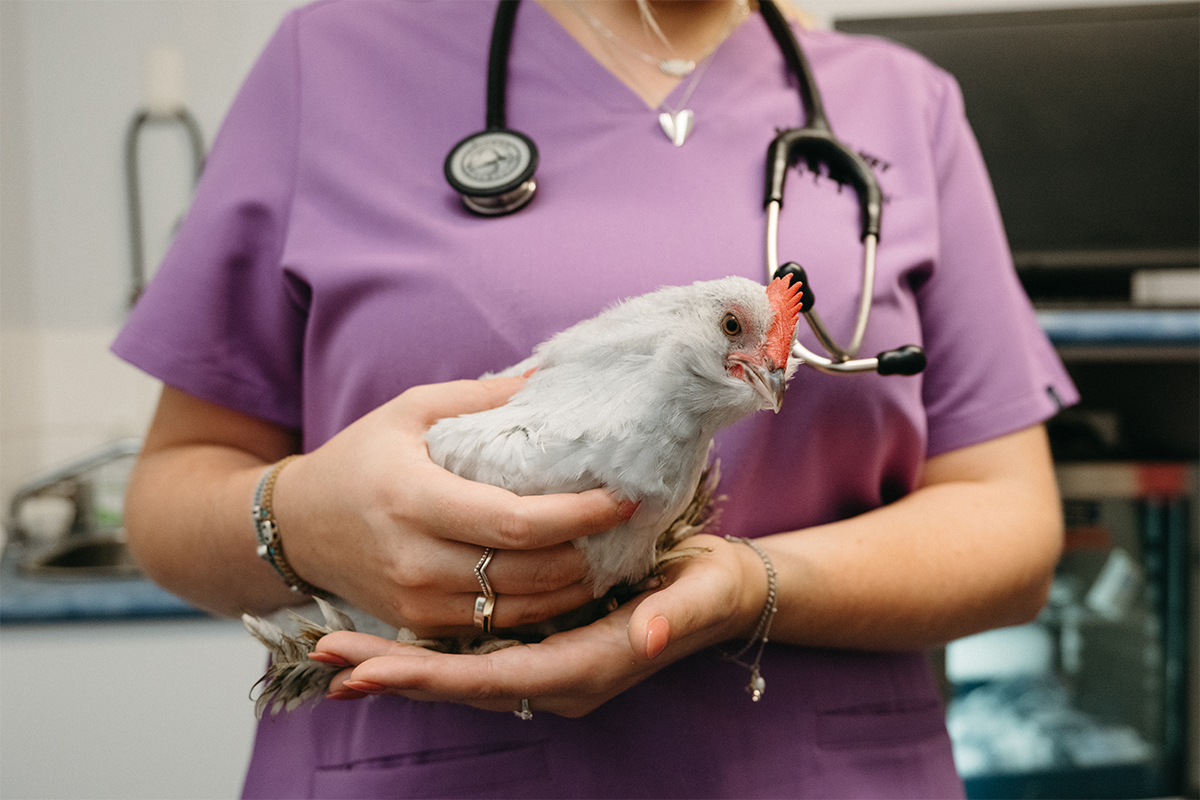
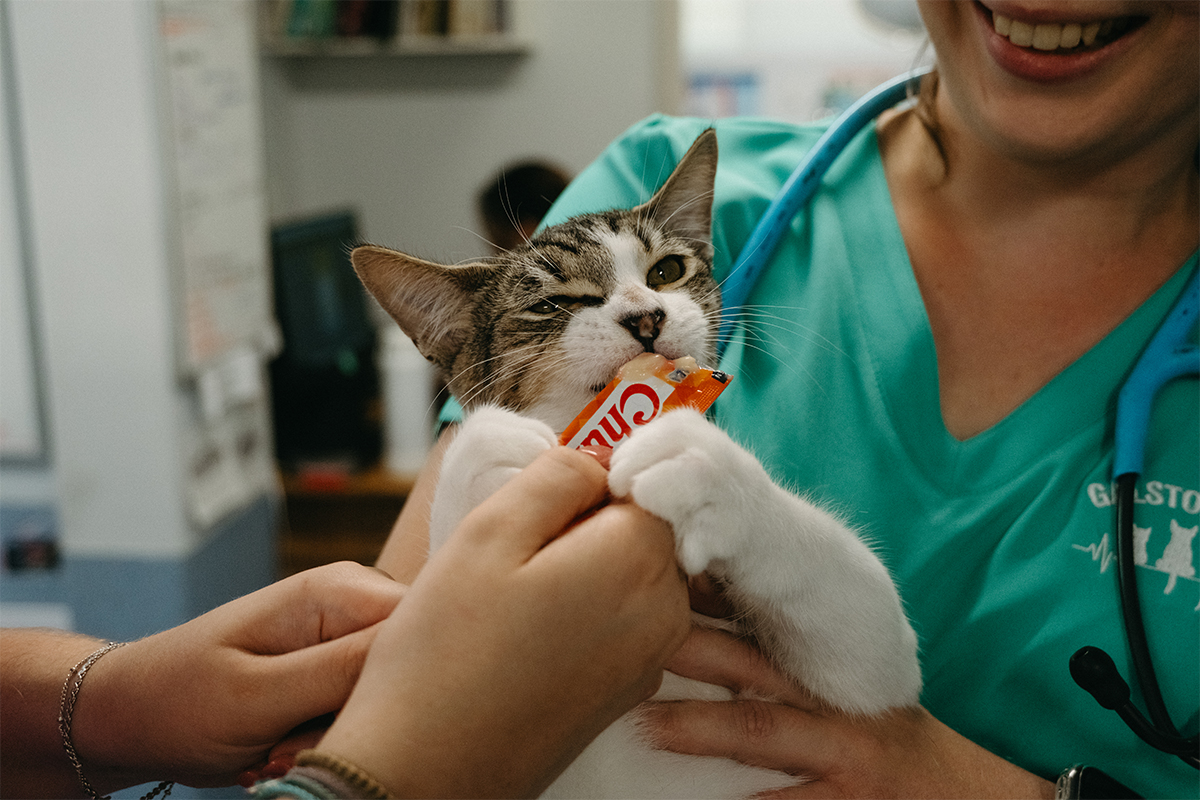
Almost every week, an abandoned kitten or cat finds its way to Galston Vet. Some come from colonies or deceased estates. Others are simply left behind, with nowhere else to go.
“It affects my mental health and the mental health and motivation of my team. We have a rehoming program. We do our best.”
At the time of writing, the team is caring for a cat terrified of people, working slowly and patiently to build enough trust that, one day, she might be comfortable living with a family.
Just last week, a puppy was brought in after being found alone on a street in Galston. One of the vets took it into their care, without pay, giving it somewhere warm and safe to stay while the team searches for its owner.
Nobody asks them to do this. They do it anyway.
Some cases stay with Sandy long after the animal has left the clinic.
A few years ago, a cat came in struggling to breathe. After investigating, Sandy diagnosed mesothelioma, a cancer associated with asbestos exposure. Suddenly, the diagnosis mattered beyond the health of the animal. It was also a warning for the family who shared its home.
“I realised then how important we are to human health. Immediately we were able to warn the owners to get their house checked for asbestos.”
Another came in the form of a sick cat that had arrived from South Africa just six weeks earlier. Sandy happened to be working alongside a South African vet at the time, and together they suspected ehrlichiosis - a serious tick-borne disease not normally seen in NSW.
They called the Emergency Animal Disease Hotline, as required. Within half an hour, Sandy had a senior government pathologist on the phone.
“We are so lucky in Australia to be free of so much suffering that I’ve seen overseas. The work veterinarians do incontrovertibly contributes to our lucky country.”
The cat ultimately recovered from an unrelated condition, but the experience stayed with Sandy - particularly the speed with which the system responded and the role veterinarians play in protecting not only animal health, but the wider community.
Then there are the challenges Sandy sets herself.
Even after decades in practice, there are still procedures to learn and skills to master. For Sandy, that can mean going back to first principles, studying a new technique and putting it into practice.
“It’s a great day when you get to the point where you can watch a YouTube video then the next day successfully perform a surgery you haven’t ever done before. First principles and mastering the basics are important.”
Perhaps that’s what connects the cases Sandy remembers most. Not simply that they were unusual or complex, but that each one revealed something bigger about the work - the responsibility that comes with it, the lives it can touch beyond the animal in front of her, and the fact that there is always something more to learn.
Most people assume euthanasia is one of the hardest parts of being a vet. They picture the grief, the final goodbye and the weight of being there when a family loses an animal they love.
Sandy sees it differently.
Galston Veterinary Clinic offers home euthanasia, giving families the choice to say goodbye in familiar surroundings - on the couch, in the garden, or simply wherever their pet feels most at ease.
“It’s not the worst part for me, because I think it relieves suffering, and it’s a real privilege to be with people at these really, really important times in their lives.”
It’s one of the more difficult parts of the job, but also one Sandy considers a privilege: being there when an animal’s suffering ends, and when the people who love them need their vet most.
After 45 years, Galston Vet has watched the cost of everything rise - equipment, medicine, insurance, wages. To keep prices steady for the families who rely on them, the team looks for savings in places most people never notice, including the way payments are handled.
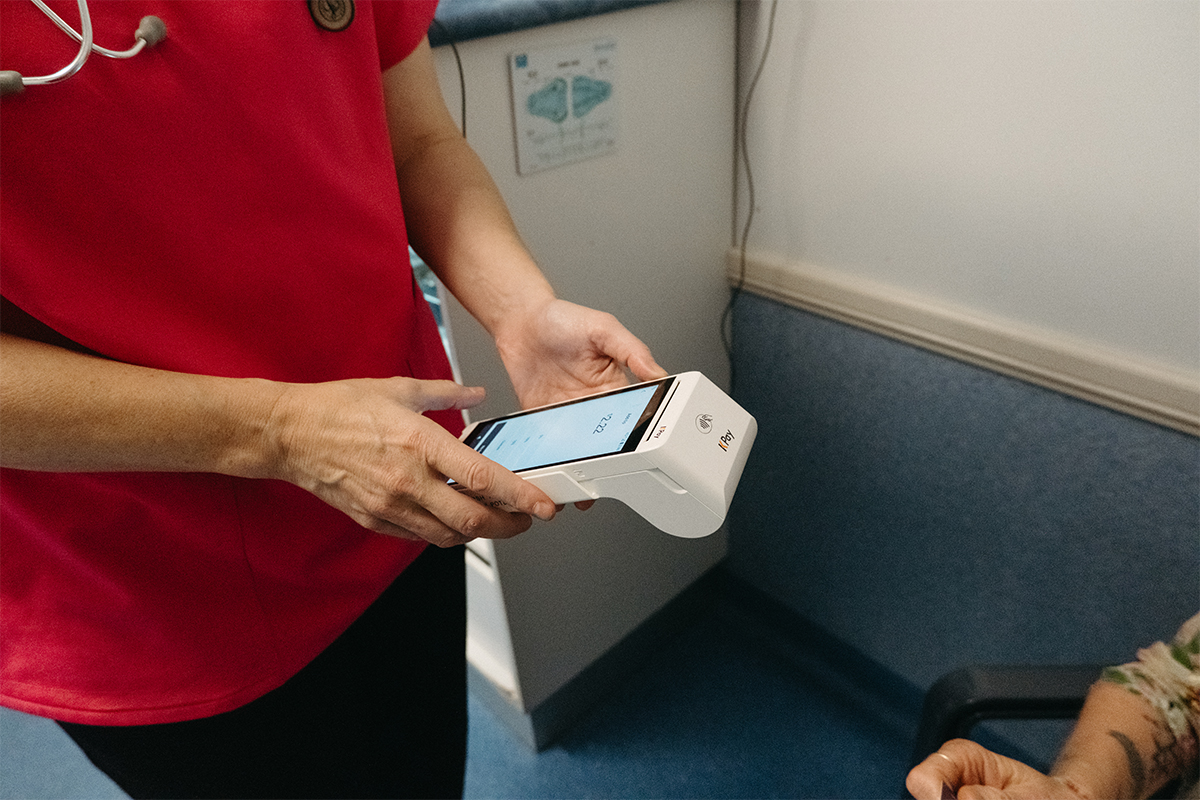
Because the clinic doesn’t run accounts, every visit ends with a transaction at the EFTPOS terminal. On busy days, that small moment can slow everything down. Sensitive appointments need privacy. Outdoor consults need flexibility. And the team needs a system that doesn’t add stress to an already full day.
That’s why Sandy switched to KPay Terminal Pro, a mobile EFTPOS terminal built for small businesses in Australia.
"We need something that is going to be fast and efficient. Having two KPay terminals has made a real difference - one stays in the consult room for sensitive appointments, and another outside for things like kennel cough where the dog can't come inside. And not having to worry about fees anymore helps us keep prices down for our clients."
It’s a small change, but it’s made a big difference: faster days, smoother workflows, and one more way to keep costs down for the families who rely on them.
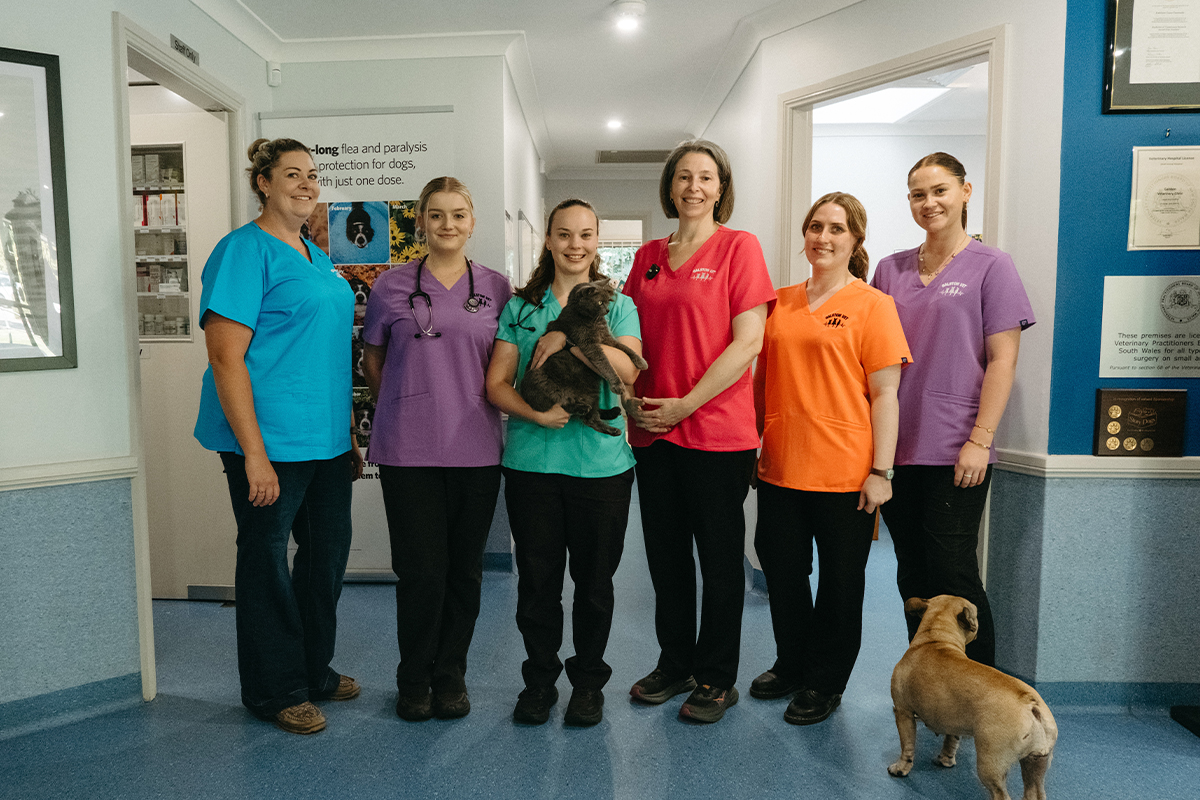
Forty-five years in, Sandy still walks into the clinic every morning for the same reason:
"You can see that you really changed and been a part of their lives."
And that, more than anything, is what keeps her going.

Looking for an eftpos solution for your clinic? KPay Terminal Pro is built for Australian small businesses — fast transactions, zero rental fees, and same-day settlement. Learn more about KPay Terminal Pro →.