Your luxury boutique has built a premium reputation in Causeway Bay, and Singles' Day is coming up. Bargain-hunters will walk the mall comparing prices, and the obvious move is to discount alongside everyone else, but you've seen what happens to brands that do this every peak season: customers stop buying at full price and just wait for the next sale.
As a luxury retailer, preserving brand value is one of the top priorities for your business — and pricing is where that value is most exposed. Discounting to compete can undermine the heritage and authority you've built to justify your position at the top of the market.
Learn what brand value is and how you can maintain your brand value without losing out on sales in the Hong Kong market with VIS Visa Instalment Solutions.
What is brand value?
Brand value is the price premium a business can command purely because of its name, reputation, and the trust it has built with customers. It's why two products with near-identical specifications can sell at very different prices — the more valuable brand isn't selling a better product, it's selling more certainty, more status, or more trust.
This is what ISO 20671, the international standard on brand evaluation, defines as brand valuation: the monetary estimate of what a brand is worth to the business, distinct from the broader, non-financial impressions stakeholders hold about it.
For luxury and premium retailers, this premium isn't incidental. In fact, it's the entire commercial model.
Core components of brand value
For premium and luxury brands, this value tends to come down to four recognised components in brand strategy:
- Perceived quality
This is what a customer expects before they've even touched the product, which is shaped by packaging, retail environment, and consistency. A strong quality perception is hard for competitors to overturn, even when their actual product improves. - Associations and positioning
These are the mental links a customer makes with a brand, such as status, exclusivity, or a specific attribute the brand owns in their mind. Building and maintaining the right associations is complex, spanning how they're created, measured, and sustained over time. - Brand loyalty
This is repeat purchase behaviour that holds even when a competitor undercuts on price. Loyal customers buy a brand time to respond when competitors innovate or discount. - Pricing power
This is the commercial payoff of the other three. When quality, associations, and loyalty are strong, a brand can hold a premium without losing the customer to a cheaper alternative.
For luxury retailers specifically, these four reinforce each other more visibly than in most categories: perceived quality and associations justify the premium, and that premium, held consistently, is what sustains customer loyalty on which repeat, high-value purchases depend.
What erodes brand value
Brand value erodes when pricing, quality, or experience stops matching what customers have come to expect. A few factors cause this most directly:
- Frequent discounting: Repeated discounts lower what customers expect to pay, so the next full-price purchase starts to feel like an overpayment.
- Inconsistent quality: A product that performs differently from one purchase to the next chips away at the trust a brand has built, making it harder for customers to know what they're actually getting.
- An unpleasant retail or service experience: A disorganised store environment, a damaged product, or a bad delivery erodes perceived quality over time, even without a single major failure.
- Overexposure through poorly chosen brand extensions: Stretching a brand name onto products or price points that don't match its original positioning dilutes what the name stands for.
Price erosion is arguably the most self-inflicted of these factors, since it results from a single deliberate decision. Factors like inconsistent product quality, unsatisfactory customer experience and negative brand associations tend to happen gradually, through many smaller incidents that accumulate over time.
How pricing affects brand value
Brand value erodes when pricing becomes inconsistent, and discounting is one of the clearest, most direct ways this happens.
Each time a customer experiences a discount, it gets added to their reference price for future purchases — the higher the frequency of discounts, the higher the likelihood that the sale price becomes their new benchmark, reducing willingness to buy at full price again. As Jill Avery of Harvard Business School put it: "We've trained customers to wait for the discount, to look for the sale."
Once that pattern sets in, it's difficult to reverse as customers don't just remember the discount, they start treating the discounted price as the norm and full price as the exception.
How interest-free instalment solutions preserve luxury brand value
Interest-free instalment plans let retailers offer payment flexibility without touching the price that anchors brand value.
1. Interest-free instalment plans keep your premium pricing consistent
Your customer pays the same amount in total for your premium product with interest-free instalment plans. All that changes is the reduced upfront amount they pay at checkout, without the reputational consequence of a price discount weighing on your brand's value.
2. Customer pricing expectations stay anchored to full price
A customer's gauge of fair pricing only shifts when they see a discount, not when payment is simply spread out. With interest-free instalments, your customer still pays the full amount — there's no lower price to reset what they expect to pay next time.
This means the price they associate with your product stays exactly where you set it, purchase after purchase. Nothing teaches them to wait for a sale, and nothing signals that the full price was ever negotiable.
For a luxury retailer, this is what protects the premium long-term: every customer's next visit starts from the same full-price expectation as their last.
However, the full price remains unchanged as customers pay the same amount across several instalments instead of a single transaction.
VIS Visa Instalment Solutions: full price, zero discount
For luxury and premium items, protecting your price integrity is important to preserving the trust, exclusivity, and perceived value that justify the premium in the first place.
VIS Visa Instalment Solutions addresses exactly this issue by keeping premium pricing as the benchmark, helping you safeguard the full price as the standard customers associate with your brand, instead of a starting point they expect to negotiate down from.
What is VIS Visa Instalment Solutions?
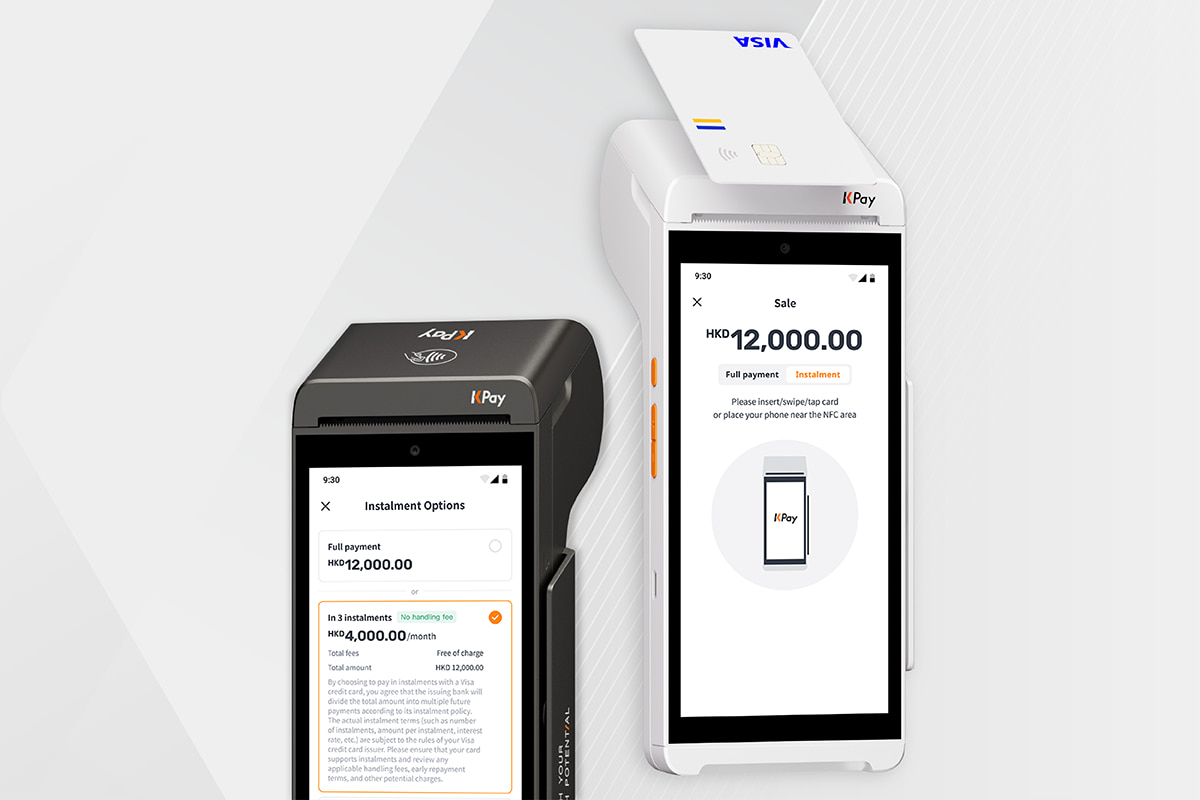
As the market matures, VIS Visa Instalment Solutions offers Hong Kong retailers flexible payments without the complexity of third-party apps. VIS Visa Instalment Solutions allows cardholders to use their existing Visa credit cards* to split purchases into interest-free instalments directly at checkout, either online or in-store.
For luxury retailers, this means that you can maintain your brand's value and reputation, while offering your customer a lower upfront payment. For a luxury handbag that costs HK$30,000, the upfront payment on the day itself is reduced to about HK$2500 — that's approximately a 91% difference from the full lump sum.
How VIS Visa Instalment Solutions protect luxury retailers' brand value
Smaller upfront payments remove a common reason customers hesitate or walk away, which means more completed transactions at full price, not fewer.
- No reference price is ever created for this purchase or the next: A discount teaches customers what your product is "really" worth, resetting their expectations for every future purchase. An instalment plan never does this as customers still pay full price, so nothing gets recalibrated, and repeat purchases stay anchored at the same full price as the first.
- Loss aversion is addressed without a markdown: Loss aversion makes a large upfront cost feel worse than it is. Instalments soften that perception without needing to actually lower the price to do it
Getting started with VIS Visa Instalment Solutions
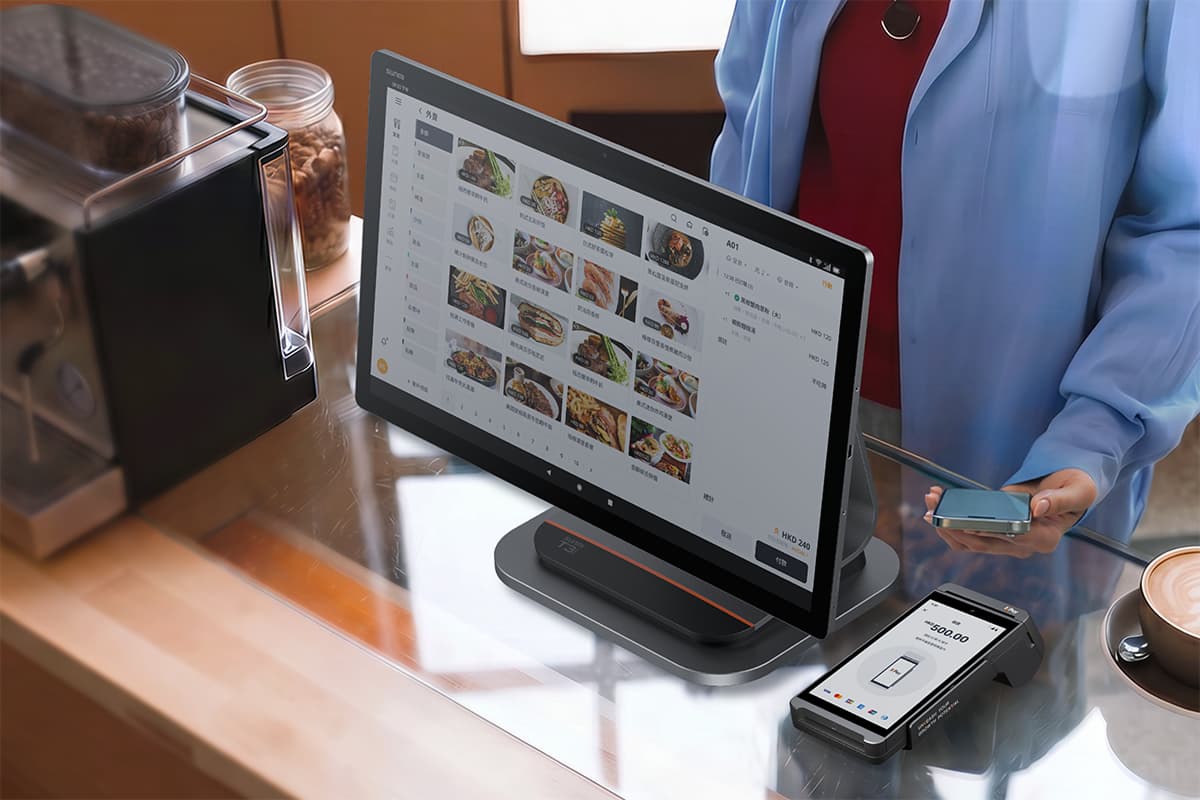
Setting up VIS Visa Instalment Solutions for your payment terminal is simple with no need for new hardware, complicated onboarding processes, or workflow disruptions.










%20(4).png)



.png)



.jpg)