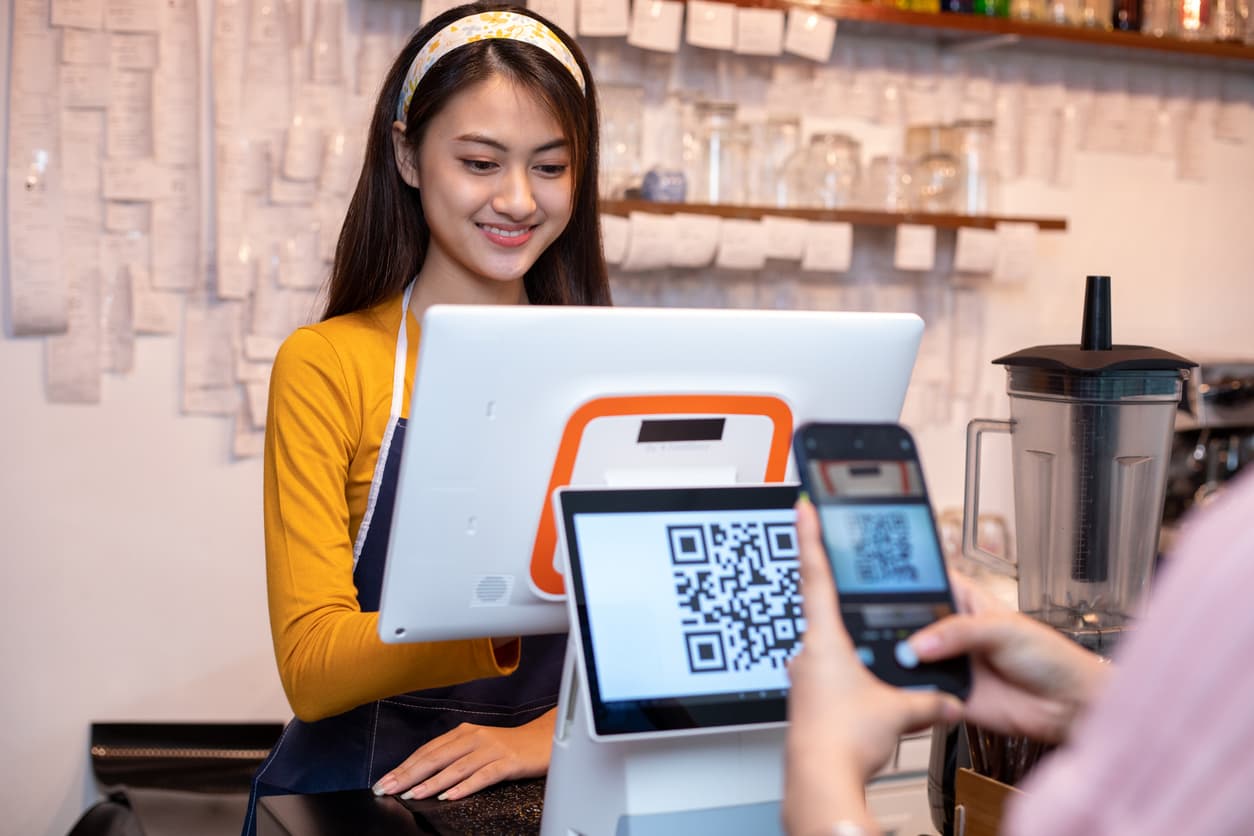
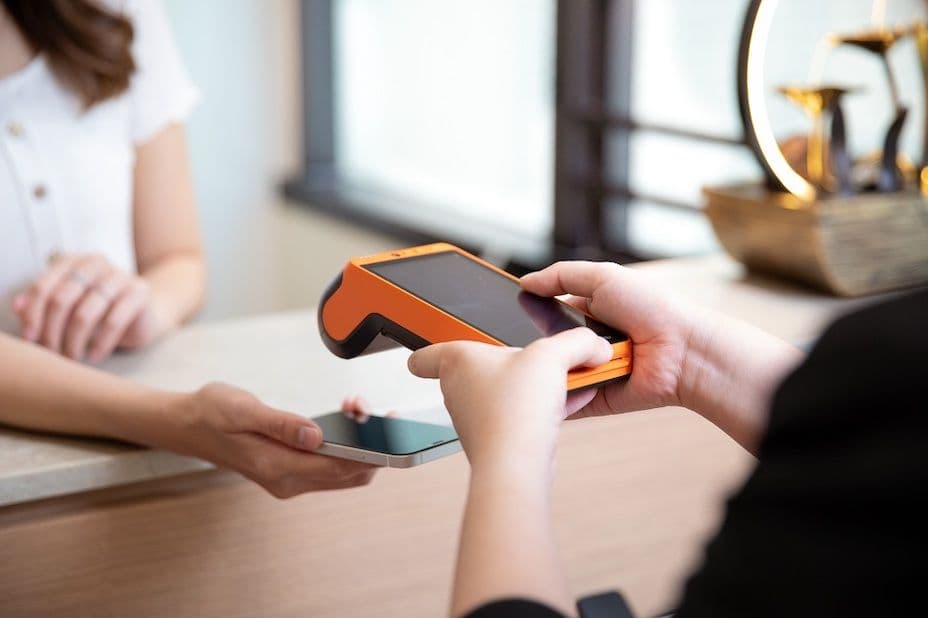
Seeing a familiar payment logo at the counter, whether it's Octopus, Visa, or AlipayHK, isn't just convenient for the customer. It's a trust signal. It tells them: this business is set up for me. In a city where consumers move fast and alternatives are always a few steps away, that small moment of recognition can be the difference between a completed sale and a polite "never mind."
The challenge is that building that trust across every customer type comes at a cost. Card settlements arrive on one timeline. FPS lands directly in your bank account. Octopus batches clear separately. Your e-wallet dashboard lives in a different app. By the time the last customer leaves, you've accepted payments across four systems, and reconciling all of them is a task that follows you home.
This guide breaks down every major payment method in Hong Kong, what it actually costs merchants to accept, and how to build a payment mix that works for your customers without creating unnecessary operational overhead.
The payment landscape in Hong Kong
Hong Kong has one of the most layered payment ecosystems in Asia. The Hong Kong Monetary Authority (HKMA) launched the Faster Payment System (FPS) in 2018, enabling real-time bank transfers around the clock. Octopus, which was originally a transit card, has quietly become one of the world's most mature retail payment networks, processing over 14 million transactions daily. Mobile wallet adoption is high, driven by a smartphone-first population that expects to pay, split, and transfer without opening a physical wallet.
For merchants, this creates both opportunity and complexity. The more payment methods you accept, the broader your customer base. But each method comes with its own setup, cost structure, and settlement behaviour. Understanding what you're accepting and what you're paying for is the foundation of a well-run payments operation.
Cash
Cash is still used. Older customers, market vendors, and certain F&B settings still operate primarily in notes and coins, and travel advisories still recommend visitors carry HKD.
However, the operational cost of cash is easy to underestimate: float management, till variances, banking runs, and the manual reconciliation that comes with it. For most merchants in Central, Causeway Bay, or Mong Kok, the direction of travel is clear — cash is declining, and structuring your operation around it makes less sense with each passing year.
The practical approach: Accept cash, but don't build your payment infrastructure around it. Make sure your team is trained to handle it efficiently, and ensure your end-of-day reconciliation treats it as one input among many.
Credit and debit cards (Visa, Mastercard, UnionPay)
Cards remain the dominant payment method for higher-value transactions and are expected by default in restaurants, retail shops, hotels, and service businesses across the city.
What it costs merchants
Card payments in Hong Kong typically carry a Merchant Discount Rate (MDR) of between 1.5% and 2.5%, depending on your acquiring bank, card type, and transaction volume. UnionPay often carries a lower MDR than Visa and Mastercard and is the preferred card method for Mainland Chinese visitors, making it particularly relevant for tourist-facing businesses in Tsim Sha Tsui, Causeway Bay, and Mong Kok.
Contactless and NFC
Most card transactions in HK are now contactless. Customers tap their physical card or their phone via Apple Pay or Google Pay, rather than inserting and entering a PIN. This speeds up queue times meaningfully during peak hours.
Octopus
Octopus is not just a transit card. With over 20 million cards in circulation and acceptance across supermarkets, convenience stores, fast food chains, vending machines, parking, and retail, it has become the default small-purchase payment method for a huge portion of the population.
Why Octopus matters for merchants
For any business with consistent foot traffic, particularly F&B, convenience, or neighbourhood retail, Octopus acceptance is close to table stakes. Customers who commute by MTR, bus, or ferry already have Octopus loaded on their phone or card. Removing that friction at the point of purchase removes a reason to go elsewhere.
Octopus for merchants: costs and setup
Merchants can accept Octopus payments via a dedicated reader or through the Octopus App for Business, which allows QR-based acceptance without a dedicated terminal. MDRs for Octopus are generally lower than card rates, though fees vary by merchant category and transaction volume. Settlement is handled via the Octopus Business Account, with batch clearing on a regular schedule. Merchants should factor the settlement cycle into their cash flow planning, as it differs from the real-time settlement of FPS.
FPS (Faster Payment System)
Launched by the HKMA in 2018, FPS enables real-time bank transfers using a phone number, email address, or FPS ID — 24 hours a day, seven days a week. For merchants, receiving FPS payments means funds land directly in your business bank account almost instantly, with no MDR and no intermediary.
Where FPS works well for merchants
FPS is well-suited to lower-volume, higher-trust payment scenarios: professional services, appointment-based businesses, B2B invoicing, and advance deposits. The zero-cost structure makes it attractive when transaction amounts are large enough that a 2% card MDR would be meaningful.
The operational trade-offs
At higher volumes, FPS creates a reconciliation burden. Matching individual transfers to specific orders requires manual effort unless your system is built to handle it. There is also no built-in chargeback protection, and merchants should be aware of the risk of fraudulent transfer receipts, which are screenshots of transactions that were never completed. For how FPS fits into an ecommerce checkout flow specifically, see our guide to payment methods for online stores.
E-wallets: Local and Mainland
Local wallets (PayMe for Business, Tap & GO, BoC Pay, AlipayHK, WeChat Pay HK)
Hong Kong's local wallet ecosystem is well-established. PayMe for Business, Tap & GO, BoC Pay, AlipayHK, and WeChat Pay HK all allow customers to pay by QR code or NFC, drawing from linked bank accounts or stored value. Acceptance rates are high among younger consumers and those comfortable with mobile-first banking.
For a breakdown of how each local wallet works, including how NFC and QR code payments differ in practice, see our guide to mobile payment methods.
Mainland China tourist wallets
This is something many Hong Kong merchants overlook, and it costs them real revenue.
Hong Kong welcomed over 40 million Mainland visitors in 2023, and the majority pay primarily through their phones. Alipay+, which is Ant Group's cross-border payment solution. Alipay+ allows Mainland users to pay at overseas merchants through the Alipay ecosystem. WeChat Pay similarly supports cross-border transactions for Mainland visitors. For merchants in tourist-heavy areas, such as Tsim Sha Tsui, Mong Kok, Causeway Bay, Stanley, Lantau, ensuring your terminal is set up to accept these methods is not optional. Enabling it requires specific merchant onboarding, but the process is straightforward with the right payment provider.
BNPL (Buy Now, Pay Later) in Hong Kong
Buy Now, Pay Later options have grown significantly among younger Hong Kong consumers in fashion, beauty, electronics, and lifestyle categories. Providers active in HK include Atome and Pace, which offer interest-free instalment plans paid by the customer over a short period.
What BNPL means for merchants
The appeal is straightforward: splitting a $1,200 purchase into three $400 payments makes a customer far more likely to complete it. For merchants selling higher-ticket items, BNPL can meaningfully lift average order value and conversion rate.
The trade-off is cost. BNPL providers typically charge merchants a higher fee than card MDRs, often in the range of 3% to 6%, sometimes higher depending on the plan. The key offset is risk transfer: the BNPL provider pays the merchant the full amount upfront and absorbs 100% of the customer's credit and fraud risk. For the right product category, this trade-off is well worth running the numbers on.
Choosing the right payment mix for your business
Not every business needs every payment method. The right mix depends on who your customers are, where your location sits, and what your transaction profile looks like.
- F&B and cafes: Octopus, contactless cards, AlipayHK, WeChat Pay, and Alipay+ if you're in a tourist-heavy location. Speed at the counter matters — every second in a queue adds up.
- Retail (tourist-facing): All of the above, plus UnionPay, and consider BNPL for higher-ticket categories. Cross-border wallet coverage is not optional if your foot traffic includes Mainland visitors.
- Retail (neighbourhood / local): Octopus, cards, and FPS as a secondary option for regulars. Local wallet coverage depending on your customer demographic.
- Service businesses and appointment-based operators: FPS and payment links are practical for deposits and invoicing. Cards for on-the-day payment. Less pressure to cover the full wallet spectrum.
- Online and social commerce: For this, see our dedicated guide to payment methods for online stores, which covers FPS checkout, ecommerce plugins, and payment links in detail.
The hidden cost of running separate systems
Accepting more payment methods is the right call, but accepting them across five separate systems creates its own problems. This includes multiple terminals on the counter, different settlement reports for each provider, and end-of-day reconciliation that pulls data from three apps and a bank statement.
This is a common situation in HK retail, and it's time-consuming in ways that compound daily. Staff need to know which terminal handles which card. Reconciliation takes longer, and spotting discrepancies requires cross-referencing multiple sources.
This is why it's important to consolidate various payment methods via a single payment terminal that handles cards, Octopus, local wallets, Mainland wallets, and NFC in one place. This isn't just about convenience, it's about getting time back at the end of every shift.
How KPay supports the full HK payment stack
Here is where a single smart terminal, like KPay Terminal Pro comes in:
- Accepts 20 major payment methods seamlessly on one portable device.
- No subscription fees, annual fees or terminal rental fee.
- T+0 Settlement delivers faster access to cash flow and liquidity, significantly boosting operational efficiency.
- 24/7, 365-day multilingual customer support to ensure merchants get up and running quickly should any issues occur.
With KPay Terminal Pro, you can reduce counter clutter and ensure that whether your customer is a local using PayNow or a tourist using a foreign e-wallet, you can complete the sale seamlessly.
FAQs
What payment methods are most popular in Hong Kong?
Contactless card payments (Visa, Mastercard, UnionPay), Octopus, and mobile wallets (AlipayHK, WeChat Pay HK, Apple Pay, Google Pay) are the most widely used. FPS is common for transfers and B2B payments.
How do I accept Mainland China tourist payments in Hong Kong?
Mainland visitors primarily pay through Alipay+ and WeChat Pay. Accepting these requires specific merchant onboarding. Most full-service payment terminals in HK include this as part of their wallet acceptance package, but it's worth confirming with your provider.
Is FPS free for merchants to receive?
Receiving payments via FPS is generally free for merchants. However, the reconciliation overhead and lack of chargeback protection are worth factoring in for high-volume retail use.
What is a typical MDR for card payments in Hong Kong?
Merchant Discount Rates in HK typically range from 1.5% to 2.5% for credit cards, depending on your acquirer, card type, and volume. UnionPay rates are often lower than Visa and Mastercard.
Does KPay support Octopus payments?
KPay Terminal Pro supports Octopus alongside 20 other major payment methods, with all transactions consolidated into one settlement report.