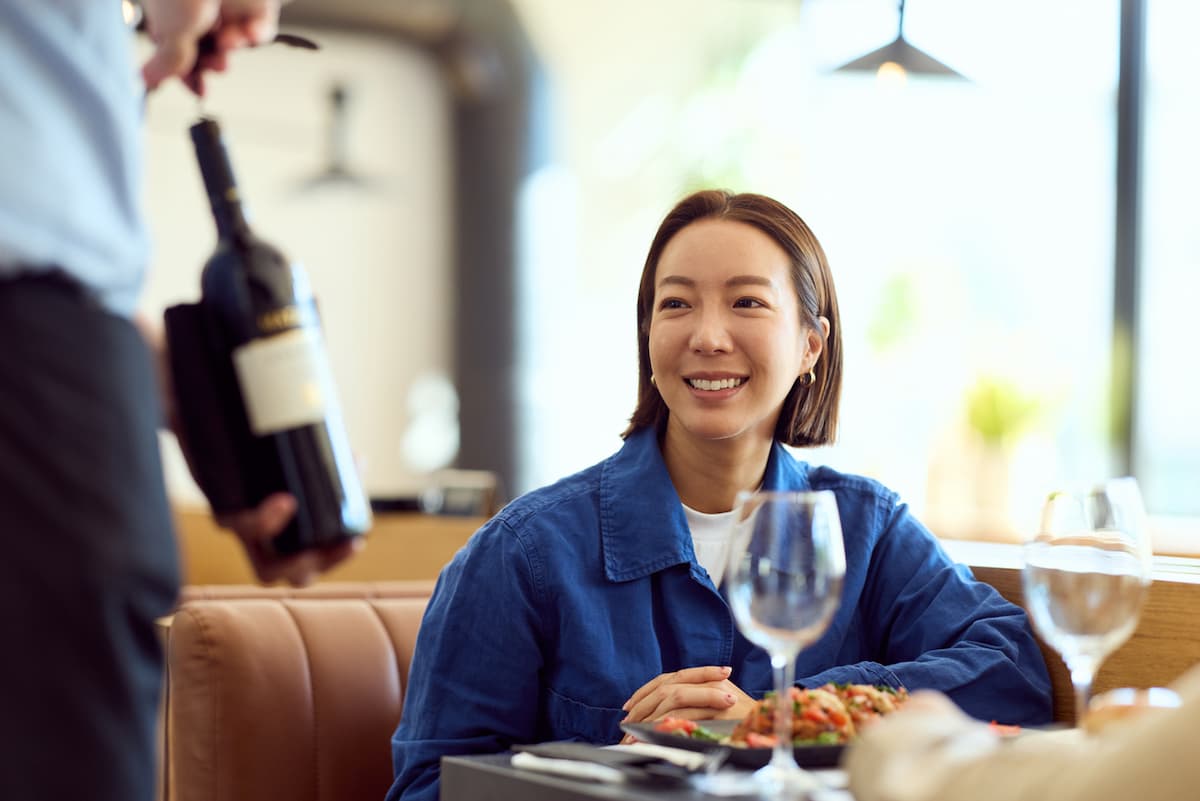
You've just seated a table who walked in carrying a bottle of aged Burgundy. Your sommelier smiles, but your front-of-house manager freezes. Do you have a corkage policy ready, or is someone about to improvise at the end of a HK$4,000 meal?
For Hong Kong restaurants, Bring Your Own Bottle (BYOB) is not a fringe scenario. It's a regular part of dining culture, particularly at neighbourhood spots that don't hold a full liquor licence, and at higher-end venues where guests prefer to bring a specific bottle for a special occasion. Without a clear corkage fee in place, you're absorbing the cost of the glassware, the service, the table time, and handing your staff an awkward conversation right when it's least welcome.
This guide covers everything Hong Kong F&B operators need to know: what a corkage fee is, how to price it, how to communicate it, and how to manage it cleanly at the point of sale.
What is a corkage fee?
A corkage fee is the charge a restaurant levies when a guest brings their own bottle of wine, spirits, or other beverage to consume on the premises. It compensates the restaurant for the use of glassware, staff service (decanting, pouring, handling), and the foregone revenue from beverages the guest might otherwise have ordered from the menu.
The term comes from the act of uncorking a bottle, although in practice it applies equally to screw-cap bottles, decanted wine, and BYOB spirits.
Why corkage fees matter in Hong Kong
Hong Kong has a genuinely embedded BYOB culture, and it's shaped by a few local realities that make corkage policy more consequential here than in many other markets.
Liquor licensing costs are significant
A full liquor licence in Hong Kong requires application to the Liquor Licensing Board and involves ongoing compliance obligations. Not every restaurant holds one, particularly newer openings, casual eateries, and community-focused spots in areas like Sham Shui Po, Kennedy Town, and parts of Wan Chai. For these venues, BYOB is often an implicit expectation, and corkage income is a meaningful revenue line.
Wine culture is well-established among Hong Kong diners
Guests visiting Central, Soho, or Causeway Bay restaurants for business dinners or celebrations regularly bring personal bottles, particularly wines they've collected or imported themselves. They're not trying to shortchange the restaurant; they simply want to drink something specific. A fair, well-communicated corkage fee is widely accepted in this context.
Without a policy, you're subsidising the experience
Every BYOB table that walks in without paying corkage costs you in labour and consumables. Over a month of dinner service, that adds up.
How much should you charge?
Corkage rates in Hong Kong vary significantly by venue type. Based on common market practice, operators typically charge:
- Casual dining / neighbourhood restaurants: HK$80–HK$150 per bottle
- Mid-range restaurants: HK$150–HK$250 per bottle
- Fine dining and hotel restaurants: HK$250–HK$500+ per bottle
Some venues charge per person rather than per bottle, particularly for set menus or group bookings. The logic is that per-person pricing is harder for guests to game by sharing a single bottle across a large table.
Factors that should influence your rate:
- The quality of your glassware and whether you offer decanting service
- Your average beverage revenue per table (corkage should partially offset this loss, not fully replace it)
- What comparable restaurants in your area are charging
- Whether you operate with or without a full liquor licence
Free corkage as a promotional tool is also used by Hong Kong operators, particularly on quieter weeknights or as a limited-time offer to drive covers. If you use this approach, set a clear duration and communicate it consistently, so guests don't expect it as a permanent arrangement.
A practical starting point would be to look at your average spend per bottle sold, calculate a reasonable offset for glassware and service, and set your rate from there rather than picking a number arbitrarily.
How to communicate your corkage fee policy clearly
The most common source of corkage-related disputes in restaurants isn't the fee itself, but rather the surprise. Guests who learn about a corkage charge for the first time when the bill arrives are far more likely to push back, regardless of whether the amount is reasonable.
Where to state your policy:
- On your printed menu, typically in the drinks section or at the bottom of the page
- On your online menu and reservation page
- In booking confirmation messages (if you take reservations via phone or platform)
- Verbally, when guests call to enquire about BYOB
Train your FOH team
Staff should be comfortable mentioning the corkage policy proactively, not apologetically. A simple line like "just to let you know, we charge HK$150 corkage per bottle for BYOB" said at the right moment sets expectations cleanly.
If you run a restaurant booking system or send confirmation messages, include a one-line corkage note. It takes 10 seconds to write once and prevents awkward moments for every BYOB table thereafter.
Handling corkage fees at the point of sale
Even when guests know the policy, what happens at checkout matters. A well-communicated policy can still generate friction if the bill doesn't reflect what was discussed — if the fee is buried in a lump total, if the amount is different from what FOH quoted, or if staff handle multiple BYOB tables on a busy Friday night and lose track of bottle counts.
Common operational pain points:
- Manual tracking errors: FOH notes one bottle on the order pad; the guest actually opened two. Reconciliation is impossible at the end of a 60-cover service.
- Inconsistent billing: Different staff members apply the corkage differently depending on whether they remember to add it.
- No separate line item on the receipt: The fee appears folded into a service charge or miscellaneous total. Guests dispute it.
- No reporting visibility: Owners have no easy way to track how much corkage revenue the venue generates each month.
These aren't major problems individually, but across a full month of service they erode both revenue and guest experience.
How KPay POS simplifies corkage fee management
Managing corkage cleanly isn't just about adding a line to the bill. It's a small part of a larger problem: keeping every order, every table, and every transaction connected from the moment guests sit down to the moment they leave.
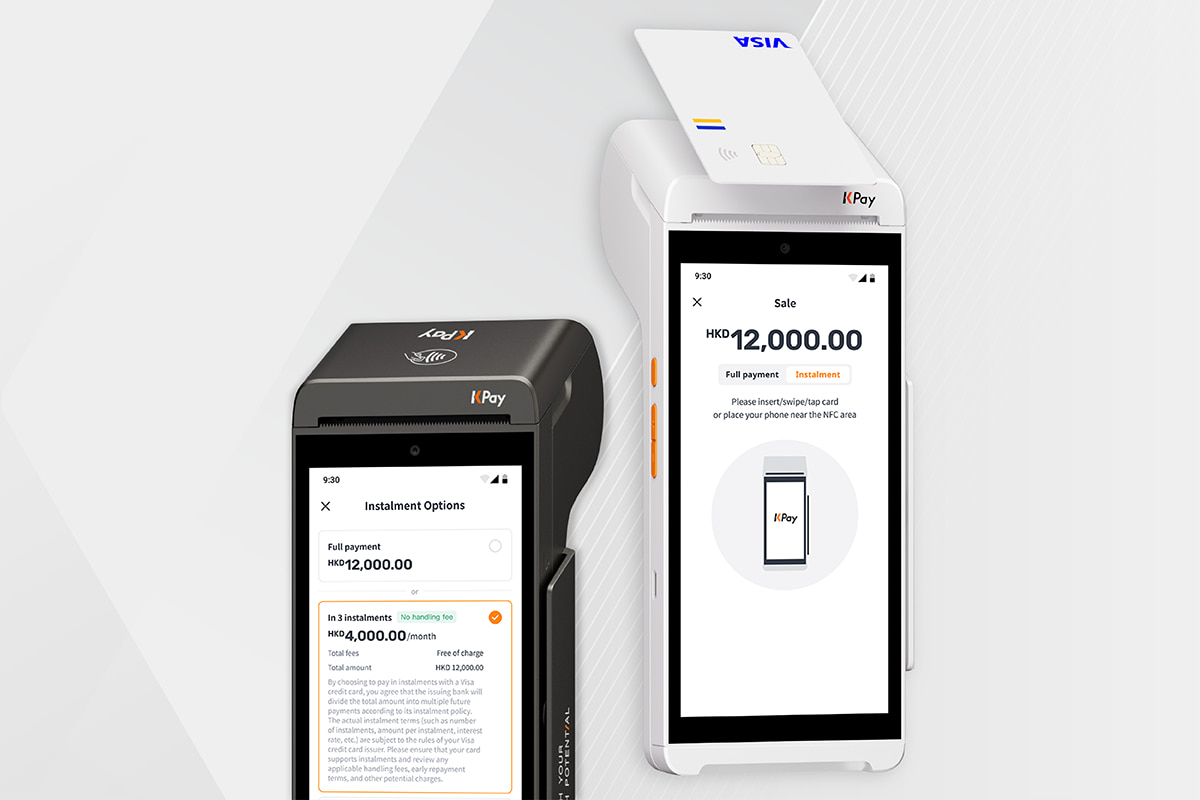
KPay POS is built for the full operational workflow, from first order to final close-out, in a single connected system. It's designed specifically for Hong Kong merchants, which means it handles the complexity of local menus, service styles, and payment expectations without workarounds.
For BYOB and corkage in particular:
- Custom line items, applied consistently: Corkage can be set up as a named item in the system. Staff add it to the bill per bottle, which means no manual calculation, and no ambiguity on the receipt. The guest sees a clear line: "Corkage (x2 bottles) — HK$300."
- Table-level tracking: For venues managing multiple BYOB tables simultaneously, KPay POS tracks orders and additions by table. Transfer, merge, or update a table with a tap — every action updates instantly across the system, so FOH always knows exactly what's been ordered and what's been opened.
- Clean itemised receipts: Guests receive a breakdown that matches what FOH quoted. This alone eliminates the majority of end-of-meal corkage disputes.
- Shift close without surprises: At shift open, staff enter the starting cash and the system automatically cross-checks against the previous day's closing balance, flagging any discrepancy on the spot. Corkage revenue is tracked as a separate line, which means no manual reconciliation, and no guesswork eating into close-out time.
Beyond corkage, the same system handles order-to-kitchen printing, drink and food customisation (milk type, sugar level, modifications), and live order tracking from placement to completion, so your team always knows what needs attention without chasing the kitchen or digging through receipts.
To find out more about how KPay POS can help your business, contact the KPay team.
Do you need a liquor licence to charge a corkage fee?
This is one of the most common questions Hong Kong operators ask, and the short answer is: the corkage fee itself does not require a liquor licence, because the customer is bringing alcohol instead of the restaurant.
However, there are nuances worth being aware of. If your staff are handling, storing, decanting, or serving guest-brought bottles as part of your service offering, you should verify how this sits within your specific licensing conditions. Restaurants with no liquor licence that effectively facilitate alcohol consumption on premises should review their position carefully.
Operators should verify their own licensing situation directly with the Food and Environmental Hygiene Department (FEHD) and the Liquor Licensing Board. This article does not constitute legal advice, and licensing conditions can vary depending on your venue type, lease terms, and operational setup. When in doubt, consult directly with the relevant authority before establishing a formal BYOB or corkage policy.
Common mistakes Hong Kong restaurants make with corkage fees
- Having no written policy: If the policy exists only in the owner's head, FOH staff will apply it inconsistently. Write it down, share it with the team, put it on the menu.
- Forgetting to brief new staff: High staff turnover is a reality in Hong Kong F&B. Corkage policy should be part of onboarding, not an afterthought.
- Waiving it for regulars without tracking the impact: Goodwill gestures are fine, but if you're comping corkage every week for the same three tables, you should know what that costs. It's important to track it.
- Not updating the policy as the venue evolves: A corkage rate set when you opened three years ago may no longer reflect your current glassware investment, service standard, or positioning. Consider reviewing it annually.
- Leaving it off the online menu: Many Hong Kong diners check menus on OpenRice or your website before booking. If the corkage policy isn't there, you'll field the same phone enquiry repeatedly — or worse, deal with the surprise in-person.
FAQs
What is a fair corkage fee in Hong Kong?
For most casual to mid-range restaurants in Hong Kong, HK$100–HK$200 per bottle is a reasonable starting range. Fine dining venues and hotel restaurants typically charge HK$250–HK$500 or more. The right rate depends on your glassware quality, service level, and the beverage revenue you're offsetting.
Can a restaurant refuse BYOB?
Yes. There is no legal obligation for a restaurant to allow guests to bring their own alcohol. Many venues in Hong Kong accept BYOB as a matter of policy and culture, but it is entirely at the restaurant's discretion. If you do not want to allow BYOB, state this clearly in your booking terms.
Is corkage income taxable in Hong Kong?
Corkage fees are typically treated as income from the provision of services and would generally be included in your assessable profits for profits tax purposes. Operators should confirm their specific situation with an accountant or tax adviser.
Should I charge per bottle or per person?
Per bottle is the most common approach in Hong Kong and is simpler to communicate. Per-person pricing can make sense for set-menu dinners or large groups where a single bottle would be shared widely. Consider your typical cover profile when deciding.
What happens if a guest brings multiple bottles?
Apply the fee per bottle, consistently. If you offer a reduced rate from the second bottle onwards (some venues do), state this in your policy so staff can apply it uniformly.
Getting your corkage policy right
A corkage fee isn't just about covering glassware costs. It's a signal of how professionally your venue is operated. Guests who bring their own bottles generally understand and accept the fee. However, what they often don't accept is inconsistency, surprise charges, or staff who can't answer a basic question about it.
This is why it's important to set a clear rate, put it in writing, train your team, and make sure your POS can handle it without a manual workaround.







.png)


.jpg)