What is a queue management system and why it matters before Singapore's peak season
30 September 2026
10 min read
KPay Editorial Team
Key takeaways:
A queue management system is the technology that automates and controls how customers wait for service, from check-in through to service call
Singapore's high-density retail environment, tight labour market, and mobile-first consumers make a proper queue management system especially critical during peak periods
F&B businesses can reduce queues at the order stage with QR ordering; retail businesses can speed up checkout with the right payment terminal
The Christmas-to-Chinese New Year window is the highest-risk period for queue failure. Preparation before the rush matters more than crisis management during it
Physical, digital, and hybrid queue management systems each suit different business types and budgets
Singapore's retail and F&B calendars have no quiet stretch at the end of the year. Christmas, New Year, and Chinese New Year follow each other in quick succession, and each one brings a surge in foot traffic across Orchard Road, Bugis, Chinatown, and the neighbourhood heartland malls. For a hawker stall upgrading to a dine-in concept, a beauty salon in a suburban mall, or a retail shop preparing for the festive gifting season, the difference between a profitable peak period and a chaotic one often comes down to one thing: having the right queue management system in place.
Most businesses know the rush is coming, but fewer have a deliberate plan for handling it.
That's where queue management comes in, not as an add-on, but as a core operational tool. This article explains what a queue management system is, how different systems work, and what Singapore merchants in F&B, retail, and beauty and wellness should put in place before the peak season arrives.
What is a queue management system and how does it differ from a queue manager?
These two terms are often used interchangeably, but they describe different things.
A queue manager is the underlying strategy or logic for controlling how customers are served, such as deciding the order, routing people to the right counter, and managing wait expectations. It can be as simple as a staff member calling names from a list.
A queue management system (QMS) is the technology used to execute that strategy. A digital ticket kiosk with SMS updates, a QR code check-in system, or a virtual queue app are all queue management systems.
The simplest way to think about it: queue manager = the method, queue management system = the tool.
A staff member manually managing a door list is using a queue manager. The same business deploying a digital check-in system with real-time wait time updates has upgraded to a queue management system. The goal of serving customers in an organised, fair, predictable order is the same, but the execution is different.
Why a queue management system is a real need for Singapore merchants
Singapore's business environment creates specific queue management pressures that compound during peak season.
Density and footfall: Singapore's retail and F&B landscape is concentrated as malls, hawker centres, and shophouses pack high volumes of consumer traffic into compact footprints. Districts like Orchard Road and Bugis Street and heartland centres like Jurong Point or Tampines Mall generate sustained footfall that surges significantly during public holidays and the festive season. A business that operates comfortably day-to-day can find itself overwhelmed by the same layout under peak-season volume.
Labour market constraints: Singapore's tight labour market means most SMEs operate lean. During busy periods, fewer team members are available to actively manage customer flow. A queue that would normally be handled by a dedicated person ends up unattended, and the experience deteriorates quickly.
Mobile-first consumer expectations:Singapore consumers are among the most digitally connected in the region. They are accustomed to seamless app-based experiences, QR code interactions, and instant service. A poorly managed queue with no visible structure, no wait time information, or no acknowledgment of their position, signals operational disorganisation and increases the likelihood they will simply leave.
The real cost: During peak season, when foot traffic is at its highest, abandoned queues represent a direct revenue loss. A customer who walks away from a disorganised queue rarely comes back on the same visit. Multiplied across a busy CNY or Christmas week, the cumulative impact is often significant.
Types of queue management systems
The right approach depends on your business type, physical space, and operational complexity. Here is how the main options compare.
Physical queue systems
The most established form of queue management that is still widely used across Singapore.
Barriers and stanchions create defined pathways that direct customers toward service counters. These are common in banks, clinics, and large retail stores. They are also effective at organising physical space but provide no wait time information and require active staff management.
Queue number systems give customers a printed or digital number and call them via a display screen or announcement when it is their turn. Widely used in government service centres, banks, and polyclinics, customers can be seated rather than standing in a fixed line, but the system is passive and offers no proactive updates.
Manual check-in involves staff recording arrival order and directing customers accordingly. This works for small operations with steady, manageable traffic, but tends to break down under peak-season load.
Digital queue management systems
Digital systems automate what staff would otherwise manage manually, and add real-time communication capabilities that physical systems cannot provide.
Token-based systems with display screens operate similarly to number queue systems but route customers to specific counters automatically. While more sophisticated than paper tickets, they are still an on-site experience.
Virtual queuing allows customers to join a queue remotely, whether via QR code, mobile app, or website, and wait wherever they choose. They receive notifications when their turn approaches and only need to be present at the service point when ready. This reduces physical crowding significantly and is well-suited to Singapore's mobile-first consumer behaviour.
Appointment-based queues replace walk-in unpredictability with pre-booked slots. This is best for services with defined durations: aesthetic consultations, hair treatments, specialist retail fittings.
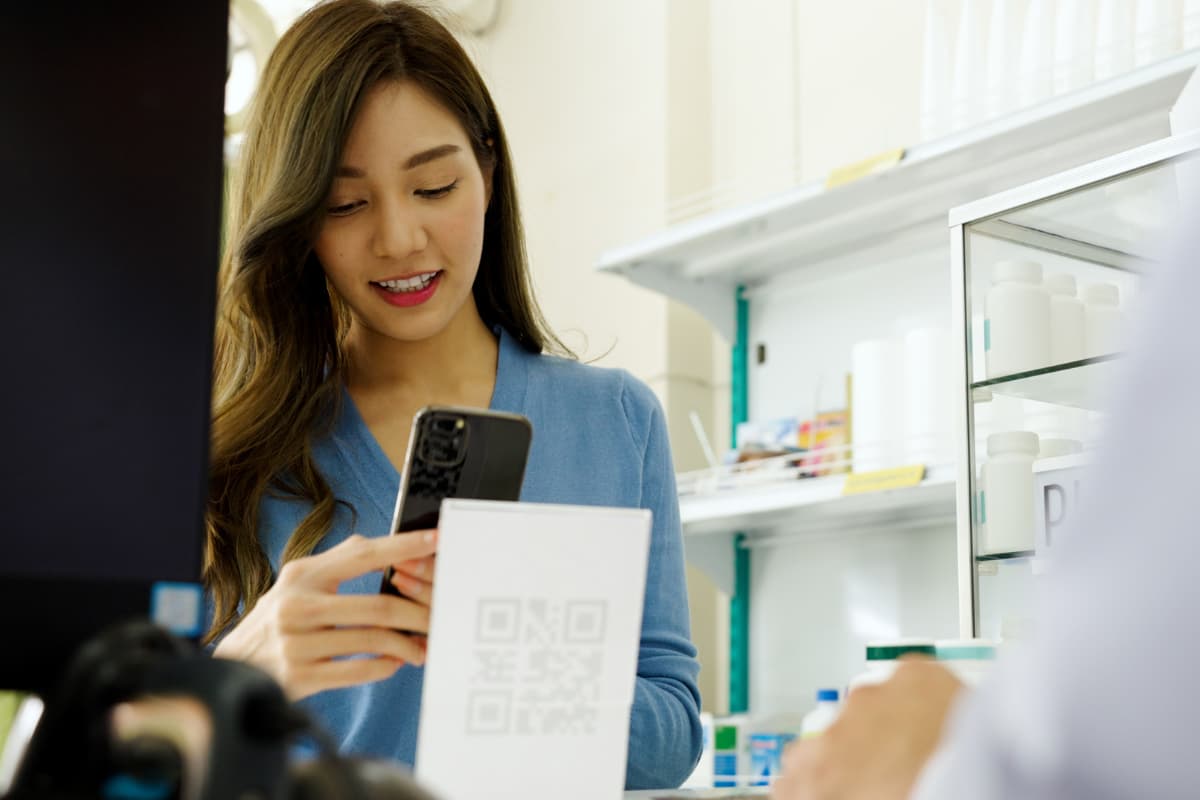
QR ordering removes the queue at the ordering stage entirely. Customers scan a code at the table, browse the menu, and place their order directly from their phone. The order routes to the kitchen without any wait for a staff member to take it. For F&B businesses, this is typically the highest-impact queue reduction available.
Hybrid systems
Most high-traffic businesses benefit from combining approaches, such as walk-ins, pre-bookings, and digital check-in within a single workflow. This is especially relevant for F&B and beauty businesses that manage both booked and walk-in customers simultaneously.
How a queue management system works — step by step
Queue management looks simple from the outside: people arrive, wait, and get served. Behind that, a well-designed system removes friction at every stage.
1. Arrival and check-in
The customer enters the queue, either by walking in and approaching a kiosk, or by joining remotely via QR code or app. The goal is immediate acknowledgment: the customer should know within seconds that they are in the system and have a position.
2. Token or queue position assigned
The system records the customer's details, including name, service type, arrival time, and assigns a place in queue. In advanced systems, an estimated wait time is provided immediately.
3. Routing to the right service point
Rather than placing everyone into a single undifferentiated line, the system routes customers based on what they need. A quick enquiry goes to a different counter than a complex service request.
4. Real-time wait time updates
The customer is kept informed as the queue progresses, be it via SMS, app notification, or display screen. This is the step that most directly reduces perceived wait time. Customers who can see their position and an estimated time are far more patient than those waiting without any information.
5. Service call
When the customer's turn arrives, they are directed to the right counter or staff member. The transition is smooth and predictable.
6. Completion and data logging
After service, the interaction is recorded, including wait time, service duration, peak-hour patterns. This data supports staffing decisions and helps businesses plan more effectively for the next peak period.
Queue management for F&B businesses
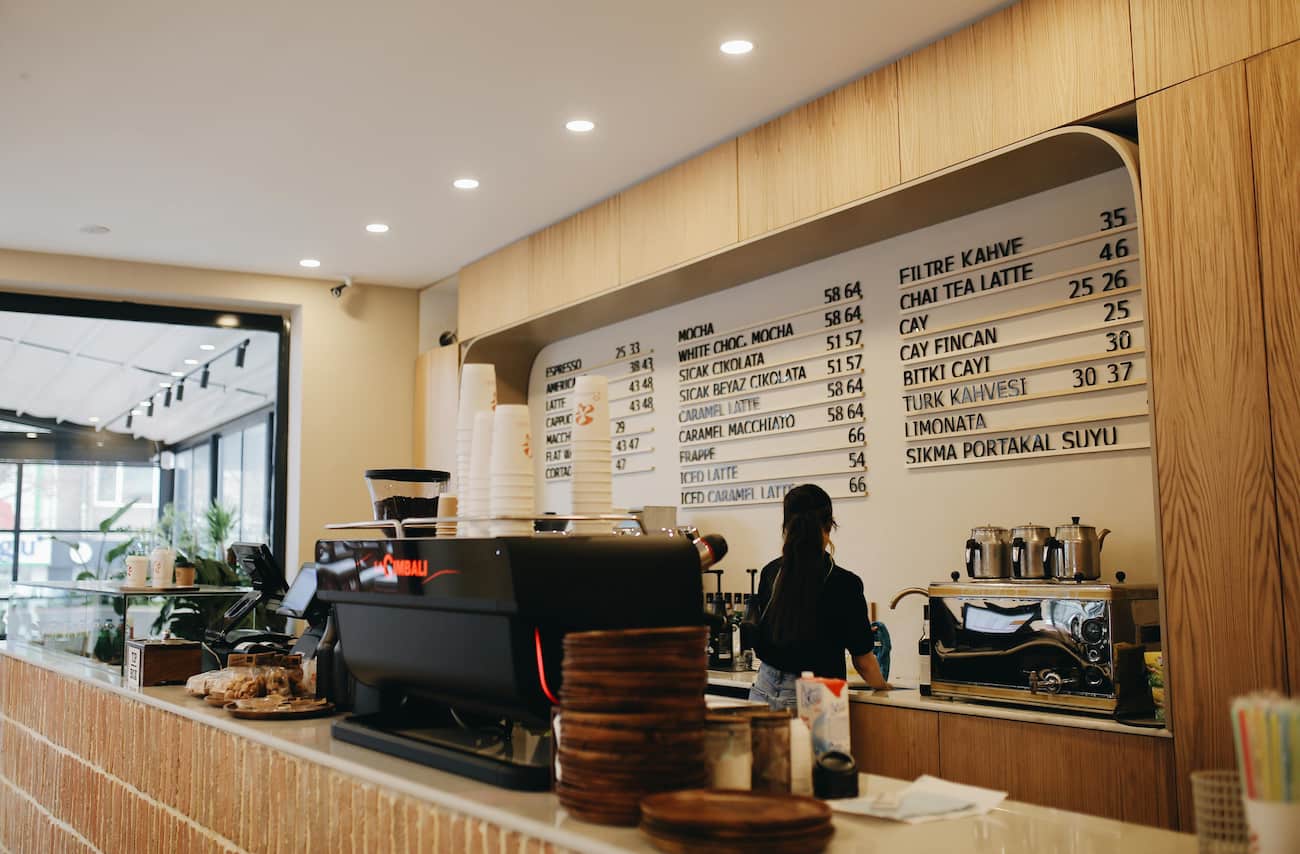
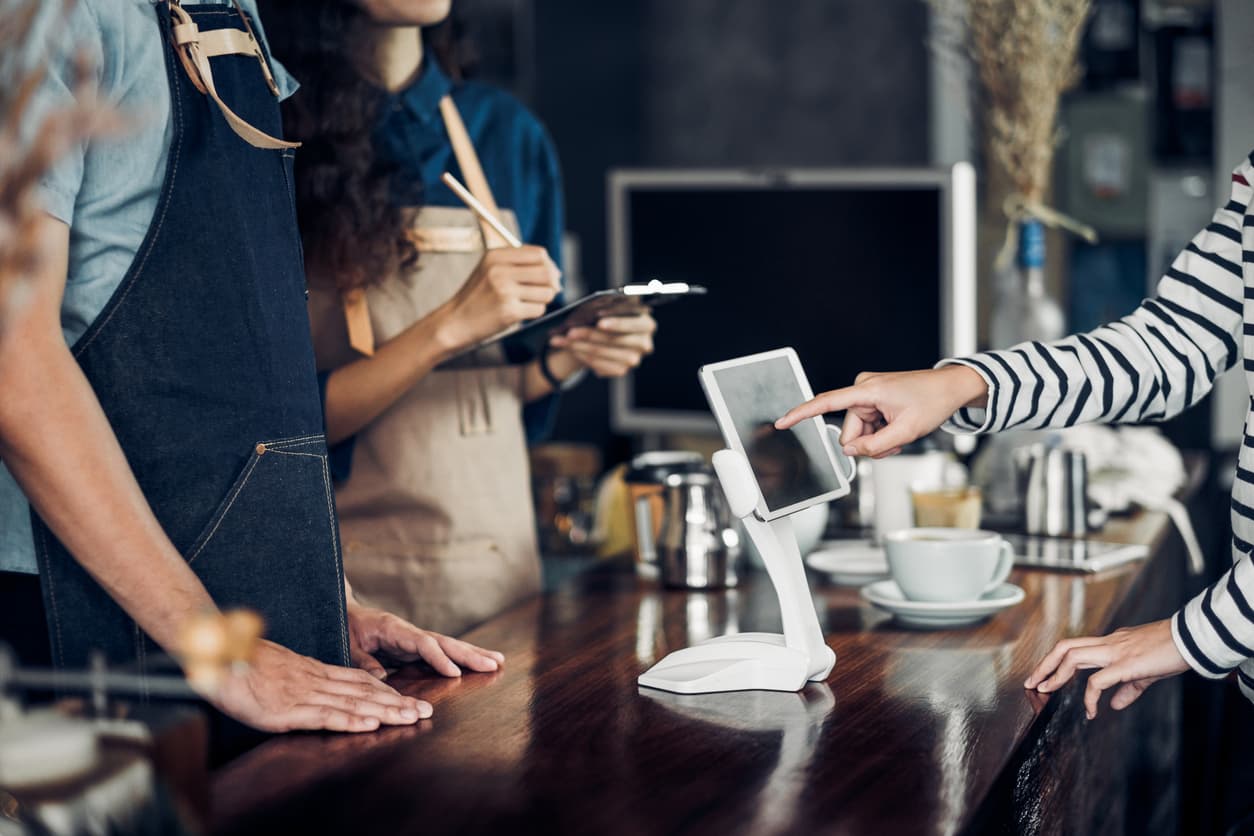
For restaurants, cafés, and supper clubs, the queue problem begins before customers are even seated. During peak festive periods such as Christmas dinner bookings, Chinese New Year reunion dinner season, and New Year's Eve, multiple pressure points compound: a door waitlist, delays at the order counter, and slow payment at the end all create separate bottlenecks.
Managing the door: A digital waitlist gives waiting customers a visible position and an estimated time. This makes queuing outside feel structured rather than chaotic, and significantly reduces walkaway rates during busy periods.
QR ordering at the table: Once customers are seated, QR ordering removes the order-taking queue entirely. With Scan to Order, customers scan a QR code at the table, browse the menu, and place their order directly. Orders route to the kitchen without a staff member needing to take them. During a fully booked festive service, this directly improves table turnover. Faster ordering means faster service, which means more covers served per shift.
Faster payment at checkout: Integrated payment within the same POS system means the bill is generated, presented, and paid without friction at the end of the meal. Your payment terminal should be able to support multiple payment methods via one terminal, including Visa, Mastercard, PayNow, GrabPay, and other major payment methods, so customers pay with whatever they prefer without staff needing to redirect them.
The combined effect: A restaurant running QR ordering with integrated payment can meaningfully reduce end-to-end dwell time per table. Over a busy CNY or Christmas week, that improvement across every table, every service, adds up to more revenue from the same physical space.
Queue management for retail businesses
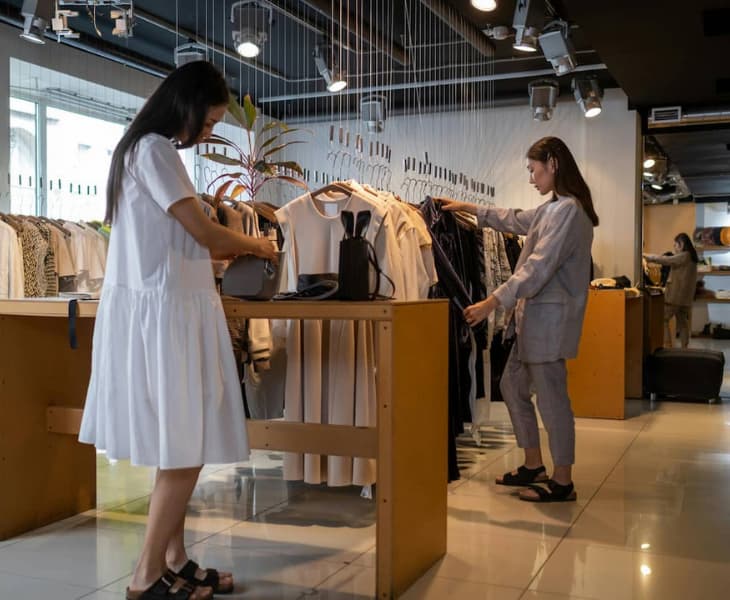
In retail, the most visible bottleneck is almost always the cashier counter. A customer who has already decided to buy can still be lost at the last step if the checkout process is slow.
During the festive season, basket sizes increase and floor traffic surges. A slow checkout becomes a multiplier: longer queues, more abandonment at the point of purchase, and more frustration in the final moments of a sale.
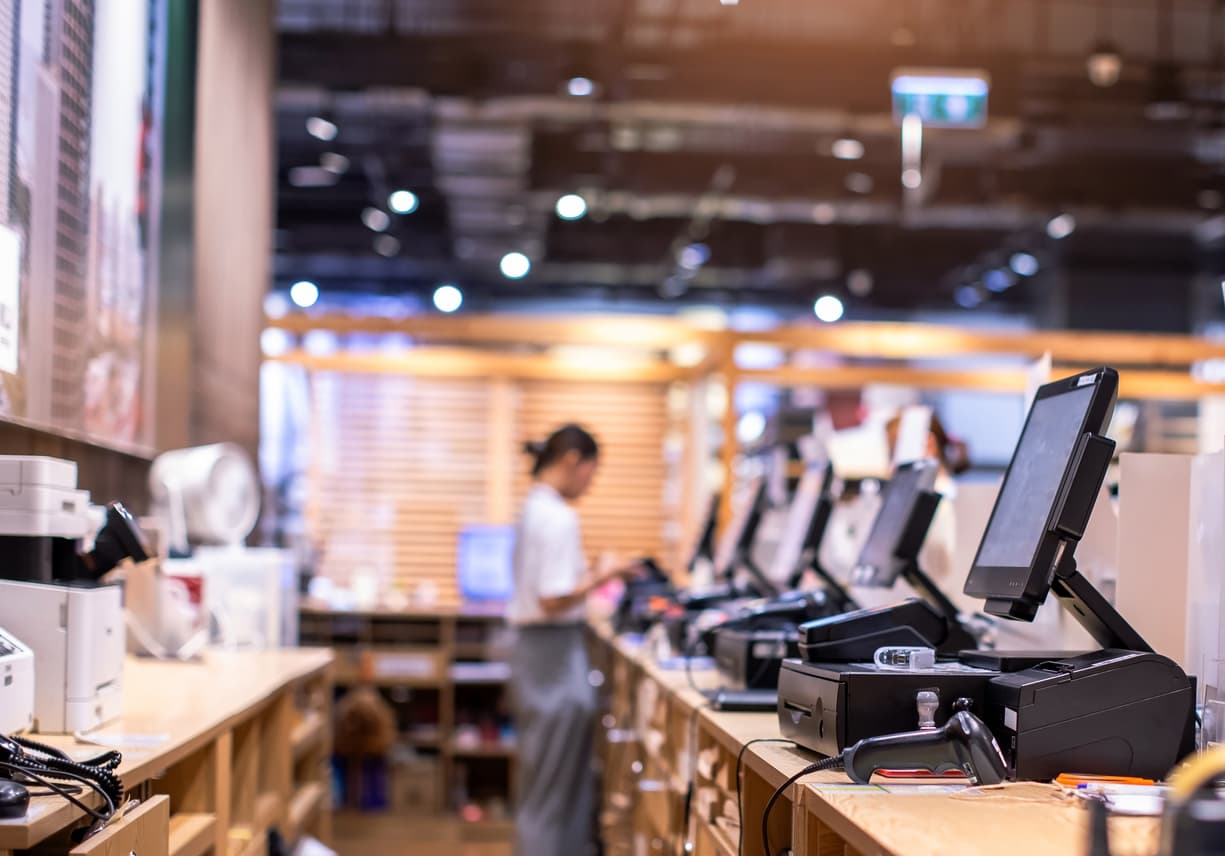
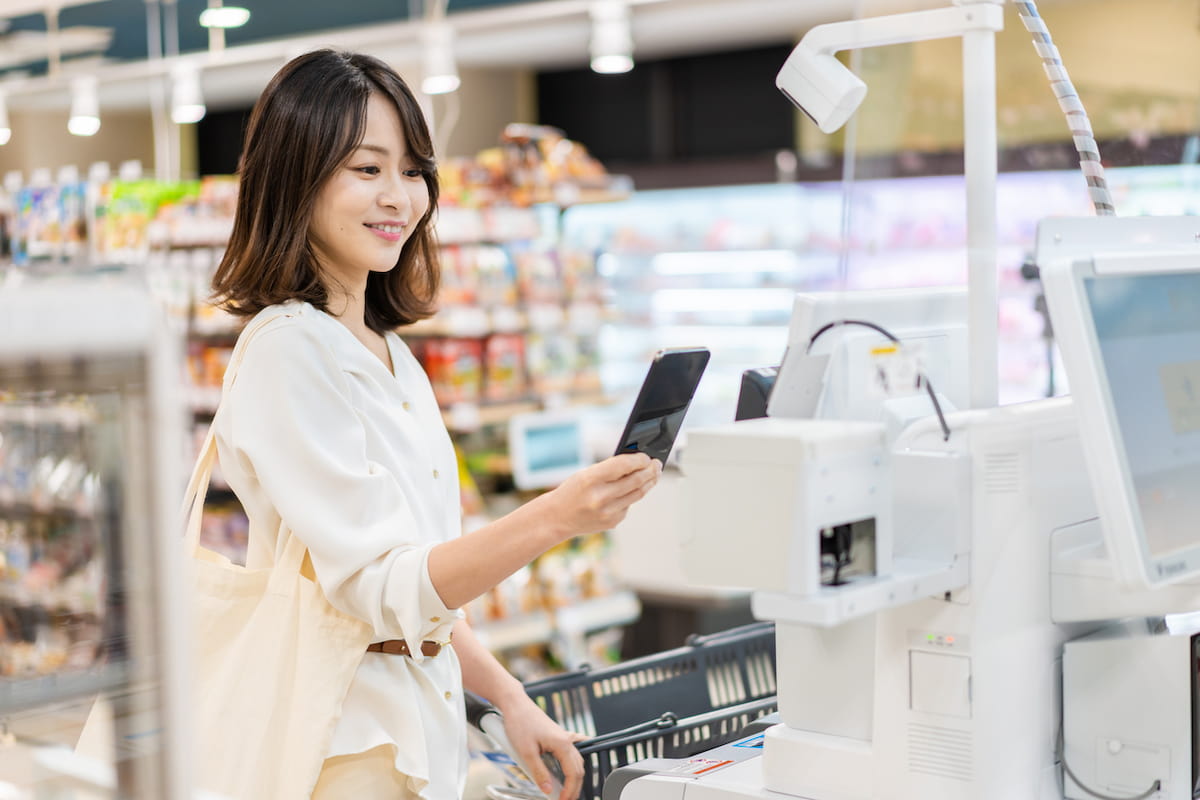
Faster payment terminals: The most effective checkout improvement for most retail businesses is a terminal that processes transactions quickly and supports the payment methods customers use. Your payment terminal should be able to handle contactless, chip, and QR payments via a single device, so staff are not switching between systems or asking customers to use a different payment method mid-transaction.
Payment Links (for social commerce and online businesses): For businesses selling through Instagram, TikTok Shop, or other social channels, Payment Links allow customers to pay via a link sent directly to them. The checkout happens online, removing the in-person queue entirely. This is less applicable to bricks-and-mortar retail but highly relevant for businesses that operate across both physical and social/online channels.
Queue management for beauty and wellness businesses
Beauty salons, nail studios, and aesthetic centres face a particular challenge: most services are appointment-based, but many also accommodate walk-ins. During the festive season, both booking volume and walk-in demand spike at the same time.
Appointment management: A digital booking system prevents overbooking and gives clients real-time visibility of available slots. Without one, the front desk becomes a manual coordination challenge that is difficult to sustain under festive-season pressure.
Walk-ins alongside appointments: The practical issue is handling the overlap when a walk-in arrives during a fully booked window. A digital waitlist that captures their details and provides a realistic wait time manages this professionally, rather than leaving the client standing at the counter with no information.
At checkout: Beauty and wellness transactions often involve upselling, such as skincare treatment packages and CNY gift vouchers. A payment process that handles multiple items quickly, supports package redemption, and works with the payment methods clients prefer keeps the end-of-visit experience smooth rather than creating a bottleneck at the point the client is most satisfied.
How KPay helps Singapore businesses manage peak-season queues
The right payment and POS setup removes friction at the points where queues are most likely to form.
POS for Businesses
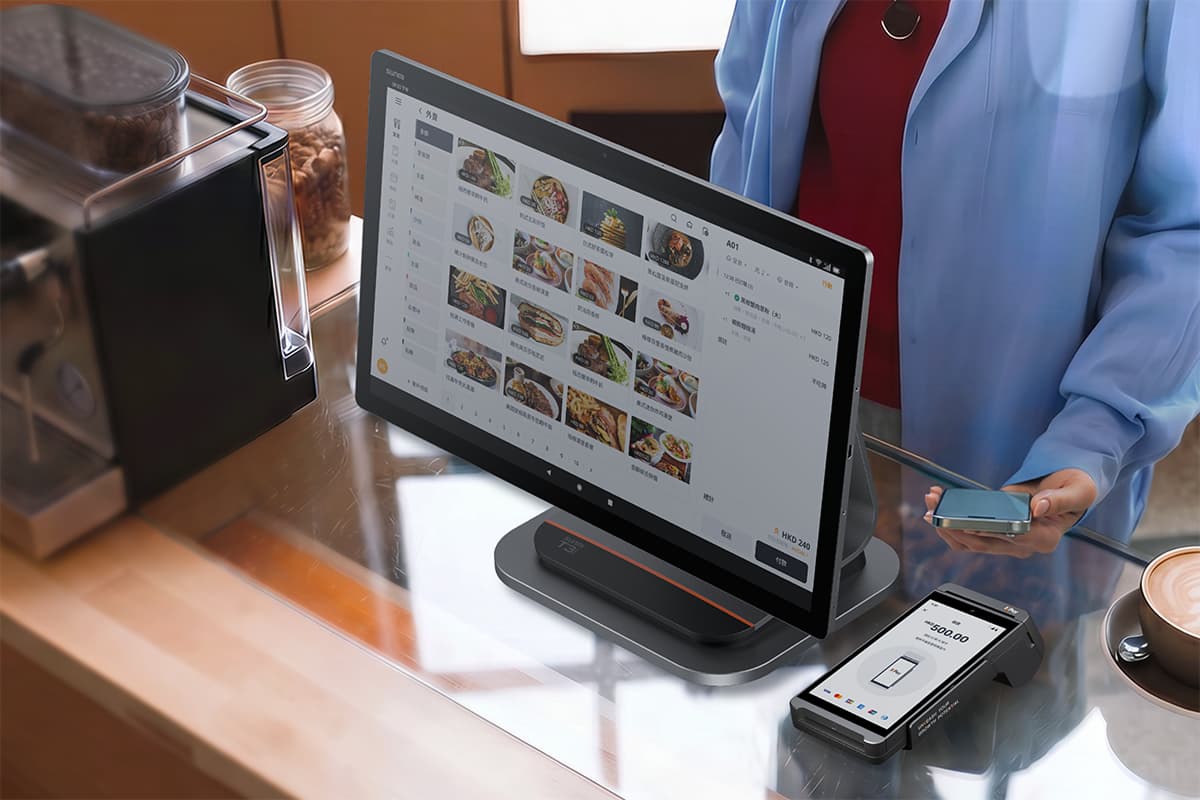
KPay POS is designed with F&B businesses in mind and integrated with the KPay ecosystem so that you can access all you need in one place. We help your business to operate more efficiently with a fast, reliable and modern POS including built-in tools, so you can focus on growing the business.
KPay POS offers various features:
Unified POS System: Handle various business operations, from taking orders to accepting payments, and even accessing reports, via a single platform.
High-speed & reliable: With a fast and reliable POS system that's capable of processing high checkout volume even during peak hours, you can capture every dollar with ease.
Professional support 24/7: You won't have to navigate the process alone as KPay offers pre-onboarding consultation to help merchants identify the features suited for their needs, as well as 24/7 post-onboarding support.
Streamlined usability: Unlike traditional systems with complex, legacy interfaces, the KPay POS features a modern, intuitive design. This ensures that even new staff can navigate the system confidently with minimal training.
Additionally, there's the option of static and/or dynamic QR codes for customers to view menus and place their orders. The adoption of scan-to-order technology marks a significant shift in business operations, allowing customers to browse and buy directly from their smartphones to drive both efficiency and growth.
By implementing QR-code ordering, businesses can redirect staff from repetitive order-taking to high-value service tasks while accelerating the checkout process through integrated table-side payments at the same time. Beyond streamlining operations, digital menus also serve as powerful sales tools; they leverage high-quality visuals and automated upselling prompts that consistently outperform traditional paper menus, leading to a measurable increase in Average Order Value (AOV).
KPay Terminal Pro
For retail businesses, faster per-transaction processing means shorter cashier queues during busy periods without added complexity for staff. Here's how KPay Terminal Pro can help:
Accepts 20 major payment methods seamlessly on one portable device.
No subscription fees, annual fees or terminal rental fees.
T+1 Express Settlement* delivers faster access to cash flow and liquidity, significantly boosting operational efficiency.
24/7, 365-day customer support to ensure merchants get up and running quickly should any issues occur.
With KPay Terminal Pro, you can reduce counter clutter and ensure that whether your customer is a local using PayNow or a tourist using a foreign e-wallet, you can complete the sale seamlessly.
Physical vs digital queue management — a comparison
Feature
Physical queue system
Digital queue management system
Set-up
Manual; requires space and staff
Automated; minimal space required
Customer experience
Fixed physical wait
Virtual queue; wait anywhere
Scalability
Limited under peak load
Handles high-traffic volumes
Wait time visibility
None
Real-time updates to customer
Data and reporting
None
Analytics, peak hours, service times
Staff requirement
Active management needed
Largely automated
Cost
Low upfront; ongoing staff cost
Variable; dependent on system
For most Singapore SMEs, the most effective approach combines both: physical organisation (barriers, clear signage) with a digital layer that keeps customers informed and reduces perceived wait time. Neither in isolation is as effective as the two working together.
What to look for in a queue management system
If you are evaluating solutions ahead of the festive season, these are the features worth prioritising.
Real-time customer notifications: Customers should receive updates as their position changes, not just a confirmation at check-in. This is the primary driver of perceived wait time reduction.
Virtual or remote queue-joining: The ability to join via QR code or mobile link without standing in a fixed line. This is particularly valuable in Singapore's mall-based retail environment, where limited physical waiting space is a common constraint.
Multi-service routing: The system should direct different customer types to different service points, rather than creating a single undifferentiated queue regardless of need.
Integration with POS and payment systems: A queue management approach connected to your ordering and payment workflow removes coordination burden from staff and creates a seamless end-to-end experience.
Analytics and peak-hour reporting: Data on queue formation times, average wait durations, and service bottlenecks supports better staffing decisions, especially when planning for the next festive season.
Scalability: The system should handle quiet mid-week periods and festive-weekend peaks without requiring a different configuration.
What is a queue manager?
A queue manager is a system, method, or process used by businesses to organise and control how customers wait for service. It determines the order in which customers are served, routes them to the right service point, and manages their wait experience. It can be physical (stanchions, ticket dispensers, staff-managed lists) or digital (virtual queuing platforms, QR check-in systems, token displays).
What is the difference between a queue manager and a queue management system?
A queue manager is the underlying logic or strategy for managing customer flow. A queue management system (QMS) is the technology that automates and executes that strategy. A staff member directing customers from a door list is a manual queue manager. A digital platform that assigns queue positions, sends SMS updates, and routes customers to the right service point is a queue management system.
Is "queue manager" the same as IBM MQ?
No. In IT and software contexts, "queue manager" refers to a messaging middleware component that routes data between applications. This is a completely separate concept. This article covers the customer service and business operations meaning: systems that manage how people wait and move through service environments.
How do Singapore restaurants reduce queues during the festive season?
The most effective approaches combine a digital waitlist at the door (to give waiting customers a visible position), QR ordering at the table (to remove the order-taking bottleneck), and integrated payment (to speed up checkout). Together, these reduce total dwell time per table, which means more covers served during busy festive services.
What types of Singapore businesses need a queue management system?
Any business handling significant walk-in traffic during peak periods: restaurants, cafés, retail shops, beauty salons, nail studios, aesthetic centres. The need is most acute during the Christmas-to-Chinese New Year window when foot traffic increases sharply, staffing is under pressure, and any operational weakness is amplified.
Does faster payment actually reduce queues?
Yes, particularly in retail. The cashier queue is the most common bottleneck. A terminal that processes transactions quickly, supports multiple payment methods without requiring staff to switch devices, and handles contactless payments efficiently reduces average checkout time per customer. At peak-season volumes, that per-transaction improvement has a meaningful impact on overall queue length.
Preparing before the rush matters more than managing during it
Queue problems during peak season are not solved on the day. The businesses that handle Christmas, New Year, and Chinese New Year well are the ones that identified their bottlenecks in advance, whether at the door, the order counter, or the cashier, and put the right systems in place before volume spiked.
For F&B businesses, that often means QR ordering integrated with your POS, so the order-taking queue disappears at the table. For retail, it means a payment terminal fast enough to keep the checkout queue moving during festive-season trading. For beauty and wellness, it means a booking and walk-in management system that handles the overlap without putting all the coordination pressure on front-desk staff.
KPay's payment and POS solutions are built to support all three.
Contact KPay's team to find out how the right setup can help your business handle the next peak season with less pressure and more throughput.