Restaurant marketing in Singapore: A practical guide for F&B owners
12 August 2026
8 min read
KPay Editorial Team
Key takeaways
Singapore diners discover restaurants through Instagram and TikTok, research them on Google Maps, and book through platforms like Chope — each stage needs attention.
Payment flexibility (PayNow, GrabPay, Visa, Mastercard, Apple Pay, Google Pay) is a basic expectation, not a value-add.
QR-based ordering and integrated POS systems reduce friction at the table and free up staff to focus on the experience.
Consistent review management, loyalty incentives, and offline-to-online tactics compound over time and reduce your dependence on paid promotions.
If you run a restaurant in Singapore, the challenge is rarely the food. It is the economics surrounding it. Rents in prime locations like Orchard Road, Marina Bay, and Tanjong Pagar can run tens of thousands of dollars a month. Foreign worker quotas keep front-of-house teams lean. And diners, which include some of the most food-literate in the world, have more choices per square kilometre than almost anywhere else in Asia.
Restaurant marketing in Singapore is not about posting pretty food photos. It is about understanding how Singapore diners discover, decide, and pay, all while positioning your restaurant at each of those touchpoints before a competitor does.
This guide breaks down what actually works for Singapore F&B operators, from the platforms that drive bookings to the operational tools that turn first-time diners into regulars.
Why restaurant marketing in Singapore is different
Singapore's F&B market is one of the most competitive in Southeast Asia. With over 45,000 licensed food establishments serving a population of just over six million, the average diner is spoilt for choice and accustomed to high standards across price points. Hawker culture sets a formidable baseline, with a plate of chicken rice at a hawker centre costing under S$5, meaning mid-market restaurants need to work harder to justify their price premium.
A few realities specific to Singapore that shape your marketing approach:
Diners discover, then decide: Instagram and TikTok are where Singapore diners come across a restaurant they didn't know they were looking for, whether it's through a friend's post, a food video, or a viral dish. Google Maps is where they go to confirm the details and check reviews. These are different stages of the same journey, and both need to work for you.
Mobile-first consumption: Most bookings, searches, and payments happen on mobile. Your entire digital presence needs to work on a screen.
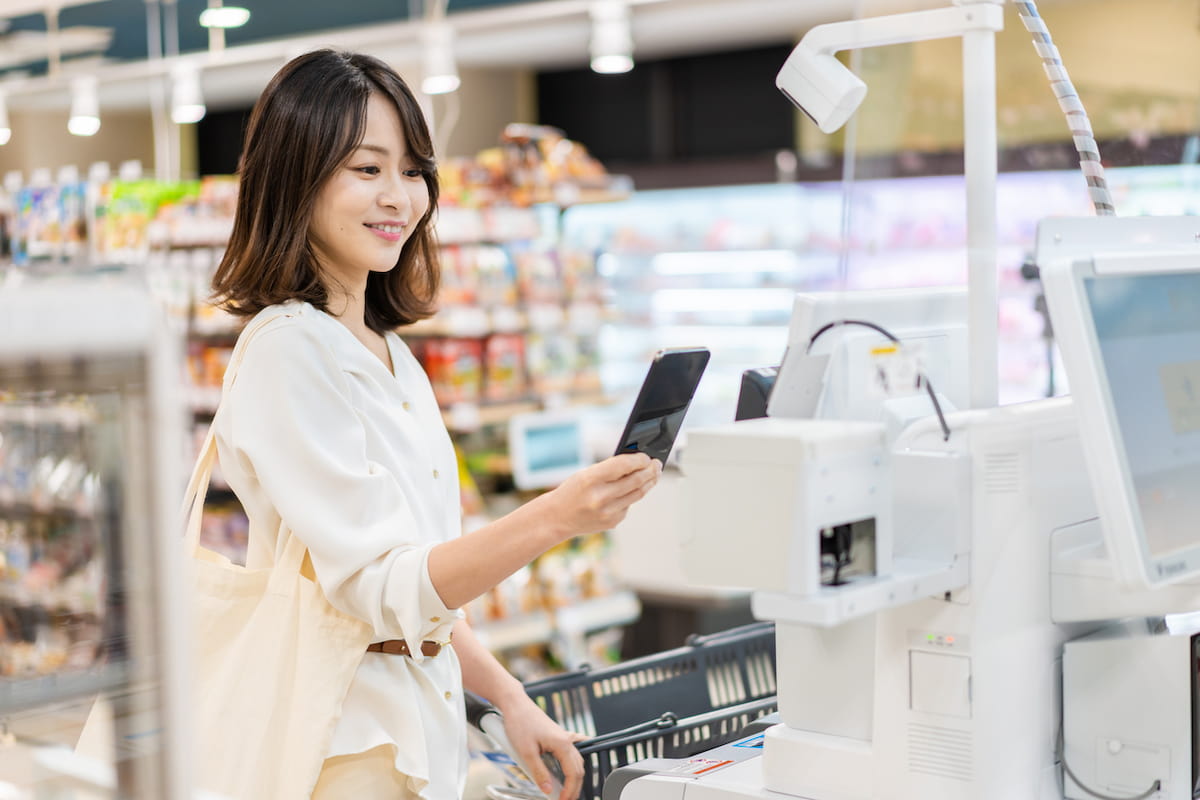
Payment expectations: Consumers expect PayNow, GrabPay, and major card networks as standard. Cashless adoption in Singapore is among the highest in the region, and this means a restaurant without contactless payment options will likely lose customers at the point of checkout.
Manpower constraints: Foreign worker quota restrictions mean most restaurants operate with leaner teams than they would prefer. Tools that reduce service friction, such as QR ordering and self-service payment, also solve an operational problem.
Build your restaurant's digital foundation first
Before you run a promotion or invest in paid ads, your digital foundation needs to be solid. Most Singapore diners will check at least two platforms before deciding to visit.
Claim and optimise your Google Business Profile
Google Maps is often the first touchpoint for diners searching nearby restaurants. Make sure your profile includes:
Accurate opening hours (including public holidays and eve-of-holiday hours)
Current, high-quality food photos — Singapore diners are visually driven, and an outdated or empty photo gallery may cost you
A short, keyword-rich business description mentioning cuisine type and neighbourhood
Responses to every review, positive or negative
A restaurant that actively manages its Google Business Profile signals trustworthiness to both Google and potential diners.
Get on Instagram and TikTok before diners reach you on Google
Instagram and TikTok are where Singapore diners encounter restaurants they didn't know they were looking for. A consistently updated Instagram feed, be it dish features, seasonal menus, or behind-the-scenes content, builds familiarity with people who may not search for you by name for months. TikTok food content can move faster: a well-shot video of a signature dish regularly drives foot traffic in a way that feels organic rather than advertised.
However, this is only the start. Diners who discover you here will then search you on Google Maps to confirm hours, check reviews, and get directions. Garnering interest and confidence from both stages is what will nudge diners to make the trip to your restaurant.
For restaurants near the tourist belt, such as Marina Bay, Sentosa, and Chinatown, TripAdvisor visibility is also worth maintaining given how heavily international visitors rely on it.
Use Chope for bookings and Burpple for community credibility
Chope is primarily a booking tool rather than a discovery platform as most diners using it have already decided where they want to go and need to reserve a table. A well-maintained Chope listing with current availability, photos, and menus can meaningfully improve your weekday booking rate. Chope also runs promotional campaigns that can drive trial, though these should be used selectively to avoid conditioning diners to wait for deals.
On the other hand, Burpple serves a different purpose. It is more niche than the platforms above, but its audience, which consists of diners who are food-engaged, opinionated, likely to write reviews and recommend to friends, punches above its weight for building word-of-mouth credibility. A strong Burpple presence signals that your restaurant is worth paying attention to within Singapore's food community.
Use payment acceptance as a competitive advantage
Many Singapore restaurants still treat payment as an afterthought. But in a market where cashless penetration is above 90% and diners routinely use multiple payment methods across a single week, gaps in payment acceptance translate directly into friction, which can cost you customers.
Common payment methods in Singapore include:
Credit and debit cards
PayNow
GrabPay
Apple Pay and Google Pay
Broad payment coverage also helps capture tourist spend. Visitors from across the region, whether it's Malaysia, Indonesia, Australia, or Japan, each bring their preferred payment habits, and a restaurant that accommodates them removes a checkout barrier that many competitors leave in place.
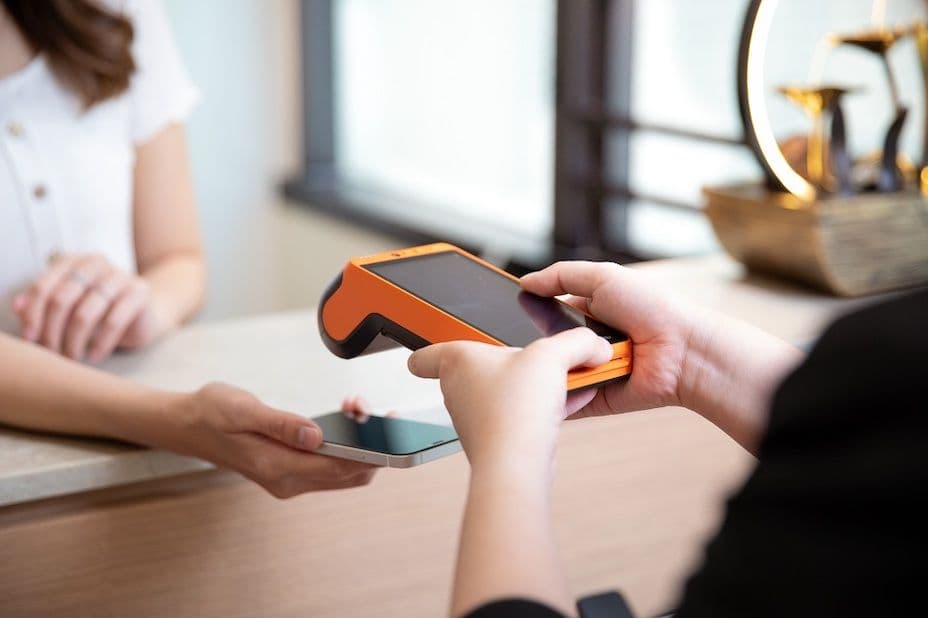
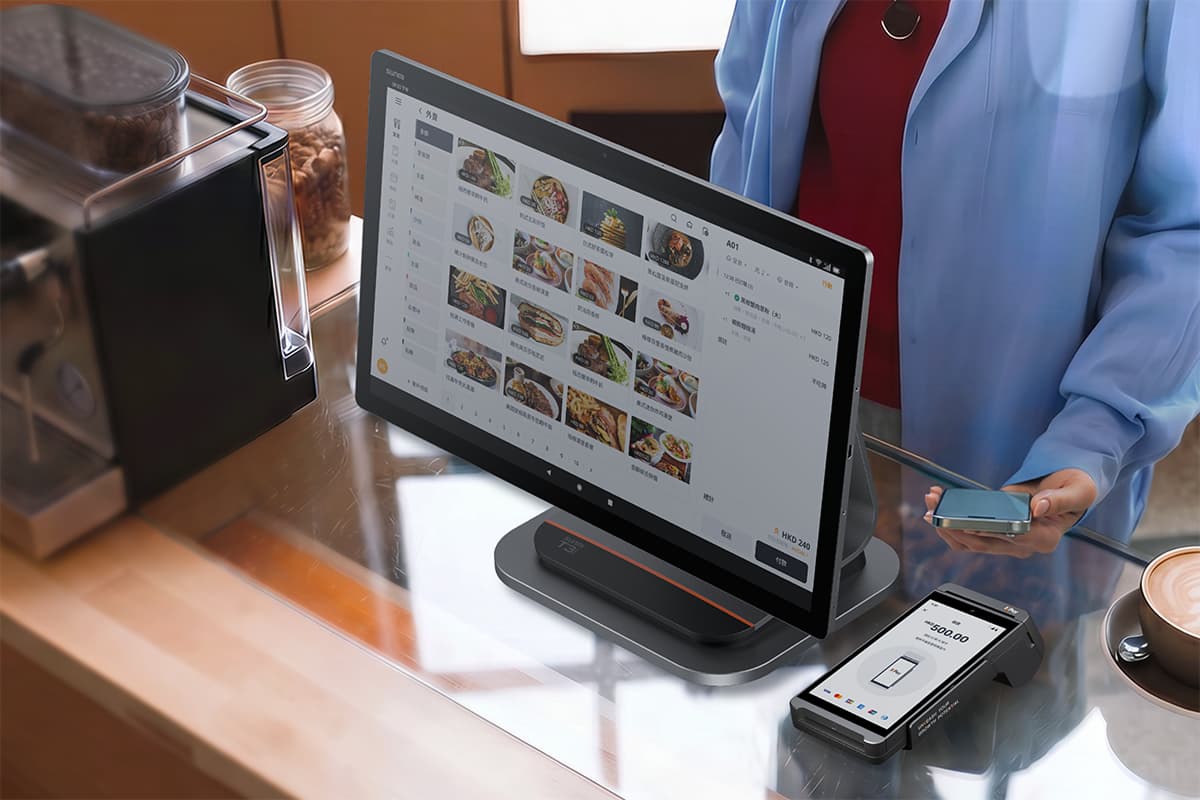
KPay Terminal Pro supports PayNow, GrabPay, Visa, Mastercard, Apple Pay, and Google Pay through a single device, removing the need for multiple payment readers at your counter. Settlement is also centralised, making daily reconciliation faster for your team.
KPay Terminal Pro for your restaurant
By consolidating multiple payment methods into one terminal, businesses can streamline their checkout process, reduce hardware complexity, and offer customers a faster payment experience. KPay Terminal Pro offers various features:
Accepts 20 major payment methods seamlessly on one portable device.
No subscription fees, annual fees or terminal rental fees.
T+1 Express Settlement* delivers faster access to cash flow and liquidity, significantly boosting operational efficiency.
Secure transactions and data points with industry-leading security standards, including PCI DSS, AICPA Soc 1 & 2, and ISO 27001.
24/7, 365-day customer support to ensure merchants get up and running quickly should any issues occur.
Access real-time sales reporting, peak hour analysis, and transaction reconciliation with KPay App
With KPay Terminal Pro you can effectively meet your customer's needs for speed, versatility of payment methods, and ensure secure transactions, all with one device.
Getting your payment infrastructure right is the foundation. However, the technology running your restaurant floor can do more than just process transactions, it can also actively shape the experience your customers remember and come back for.
Use technology to market through the dining experience
The dining experience itself can act as a marketing channel. A smooth, frictionless visit creates memories worth sharing. Operational friction, such as long waits, confused staff, and incorrect orders, often does the opposite.
QR ordering reduces wait times and increases average spend
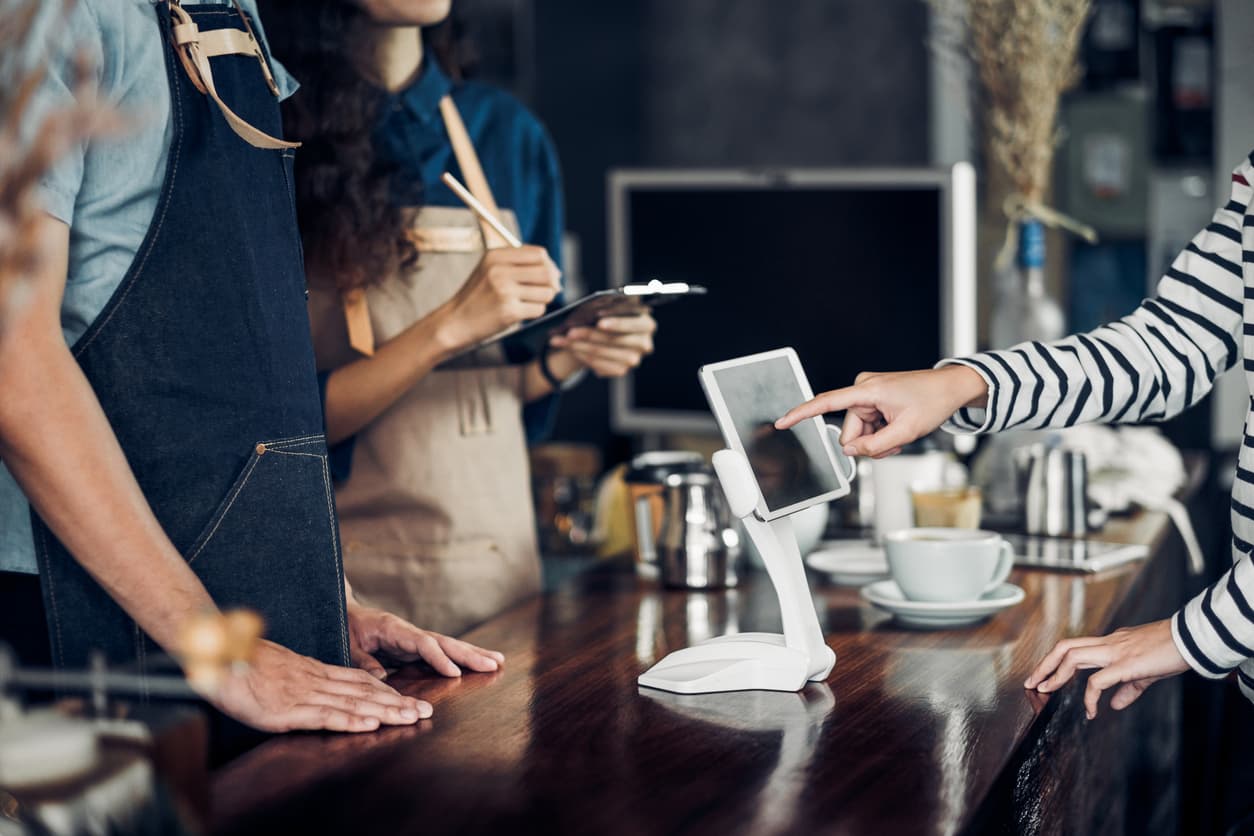
Restaurants that implement QR-code ordering typically see two outcomes: faster table turnover during peak hours, and higher average order values because diners can browse and re-order at their own pace without flagging down staff.
For Singapore F&B operators dealing with tight staffing quotas, QR ordering means front-of-house staff can focus on hospitality rather than order-taking, which is a meaningful shift when you are running on a lean team.
KPay POS supports integrated QR ordering alongside payment, meaning your operations and marketing data sit in the same system. This makes it easier to identify your most-ordered dishes and build promotions around them.
Streamline business operations with KPay POS
KPay POS is designed with F&B businesses in mind and integrated with the KPay ecosystem so that you can access all you need in one place. We help your business to operate more efficiently with a fast, reliable and modern POS including built-in tools, so you can focus on growing the business.
KPay POS offers various features:
Unified POS System: Handle various business operations, from taking orders to accepting payments, and even accessing reports, via a single platform.
High-speed & reliable: With a fast and reliable POS system that's capable of processing high checkout volume even during peak hours, you can capture every dollar with ease.
Professional support 24/7: You won't have to navigate the process alone as KPay offers pre-onboarding consultation to help merchants identify the features suited for their needs, as well as 24/7 post-onboarding support.
Streamlined usability: Unlike traditional systems with complex, legacy interfaces, the KPay POS features a modern, intuitive design. This ensures that even new staff can navigate the system confidently with minimal training.
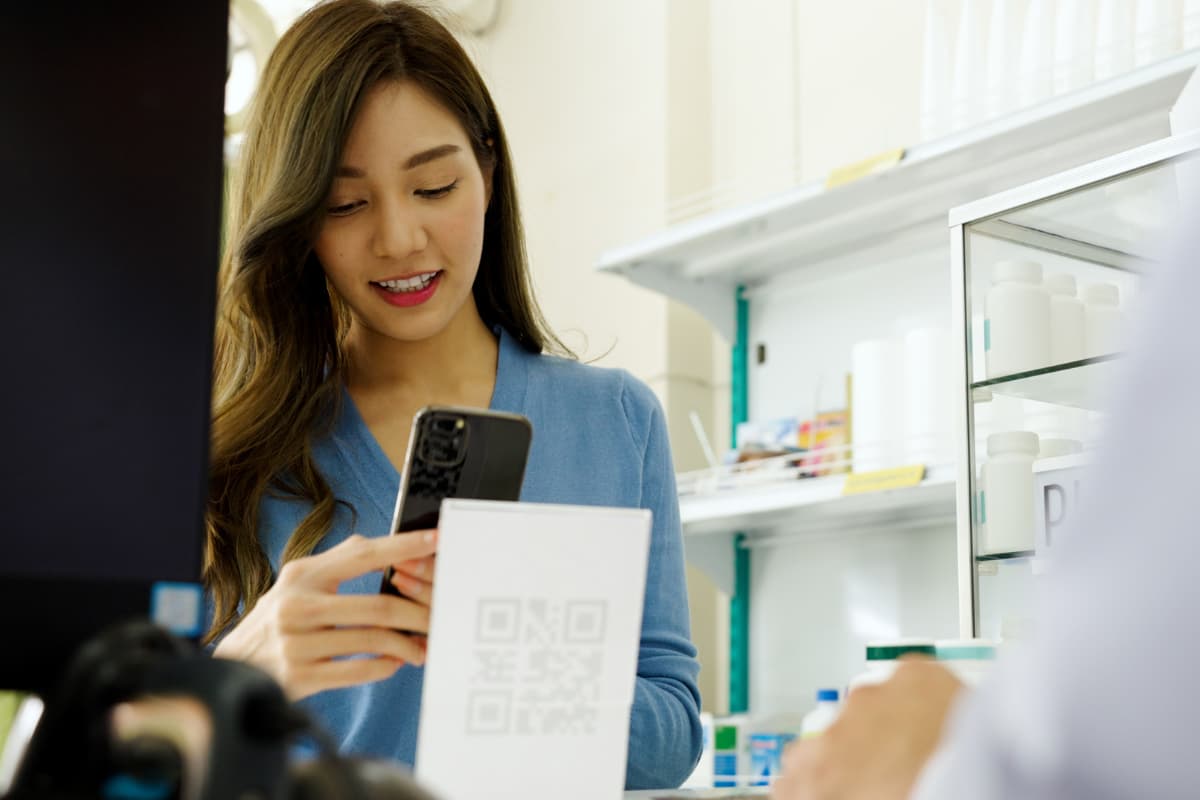
Additionally, there's the option of providing static and/or dynamic QR codes for customers to view menus and place their orders. The shift towards a system that supports scan-to-order is one of the most significant trends for merchants in Singapore, where customers can use their own smartphones to browse your menu or catalog and place orders. By doing so, merchants are able to attain:
Labour Efficiency: By allowing customers to order via QR code, you reduce the staff needed only to take orders. This means that you can channel your manpower to where it matters the most. For scan-to-order systems that also support making payments at the table or pre-paying, it can help to speed up the payment process as well.
Increased Revenue: Digital menus allow for high-quality visuals and automated upselling prompts, which consistently results in a higher Average Order Value (AOV) compared to traditional paper menus.
With these features, merchants can look to streamline their operations and provide a memorable dining experience for their customers.
Your point-of-sale system is a goldmine of customer behaviour data. Which dishes drive repeat visits? What time does your lunchtime rush peak? Which tables turn fastest? These insights are helpful in informing your marketing decisions, including promotions around high-margin dishes, optimised staffing for marketing events, and menu design that guides diners toward your best sellers.
Build loyalty without a loyalty card
Formal loyalty programmes are often expensive to build and hard to maintain. But loyalty can be cultivated through simpler tactics that still drive repeat visits.
Offer value, not just discounts
Percentage discounts train diners to wait for deals rather than visit at full price. Instead, consider:
Complimentary add-ons for repeat visitors
Early access to new menu items for returning diners
Priority booking during busy periods for regulars
These tactics reward loyalty without eroding your margin.
Engage your existing customer base via WhatsApp
WhatsApp is one of the main personal messaging platforms in Singapore, and a broadcast list built from genuine returning customers is one of the most cost-effective direct marketing channels available to a small restaurant. A short message announcing a new menu, a limited-time dish, or a private event consistently outperforms paid social when the list is warm and the message is timely.
Local marketing tactics that work in Singapore
Partner with nearby offices and hotels
Singapore's CBD, one-north, and Harbourfront precincts concentrate thousands of office workers within walking distance of lunch. A set lunch package for nearby offices, a corporate dining arrangement, or a standing relationship with a hotel concierge can generate consistent weekday traffic without advertising spend. These relationships are often underpursued by independent restaurants and represent genuine low-cost acquisition.
Target Singapore's food media and KOL ecosystem
Singapore has a dense and active F&B media landscape, with food bloggers, review accounts, and local KOLs across Instagram and TikTok regularly influencing diner decisions. A well-timed media invitation or a collaboration with a local food account will often drive more qualified foot traffic than a paid campaign targeting a cold audience. Platforms like Burpple Beyond also create organic word-of-mouth among exactly the diner profile most restaurants want to attract.
Run events around Singapore's dining calendar
Singapore diners are highly event-driven. Key dates worth building promotions around include:
Chinese New Year reunion dinner menus and lo hei sets
Valentine's Day and anniversary dining packages
Hari Raya Aidilfitri
Deepavali
Singapore Food Festival
National Day long weekend dining specials
Christmas Eve and New Year's Eve countdown dinners
Events tied to occasions give your marketing a clear hook and create shareable, social-friendly moments.
Track what's working
Restaurant marketing investment, whether time or money, should be tracked. It's important to monitor:
Google Business Profile views and direction requests
Chope booking volume and rating trend
Instagram follower growth and post reach
Average spend per cover
Table turnover rate during peak hours
Most POS systems, including KPay's, surface transaction-level data that gives you a clearer picture of operational performance alongside your marketing activity.
What this means for your restaurant
Restaurant marketing in Singapore works best when you treat digital presence, payment acceptance, the dining experience, and loyalty as one connected system, instead of separate initiatives.
Operators who invest in their Chope and Google profiles, accept every major payment method their diners use, create friction-free table experiences, and build genuine relationships with returning customers will consistently outperform those chasing one-off promotions.
If you are looking to streamline your payment setup or explore how integrated POS and QR ordering can support both operations and marketing, contact the KPay team to learn more.
FAQs
What are the most important platforms for restaurant marketing in Singapore?
Google Maps and Chope are the highest-priority platforms for local discovery and bookings. Burpple drives word-of-mouth among food-engaged diners. Instagram and TikTok are the dominant social discovery channels, particularly for reaching younger audiences and food-curious visitors.
Do Singapore restaurants need to accept all digital payment methods?
Broad coverage of the major payment methods is often expected. PayNow, GrabPay, Visa, Mastercard, Apple Pay, and Google Pay together cover the vast majority of Singapore consumer transactions. Gaps in any of these can result in lost sales, particularly at the checkout stage where a declined payment method can cause diners to abandon a visit.
How can a restaurant increase table turnover without hurting the customer experience?
QR-based ordering and integrated payment terminals allow diners to order and settle their bill without waiting for staff. This reduces peak-hour wait times and improves turnover without creating a rushed experience, which is particularly useful in Singapore where lunch rushes in CBD areas are intense and time-constrained.
Is Chope still relevant for Singapore restaurants?
Yes, Chope remains the dominant booking platform for Singapore diners planning ahead, and it is regularly used by tourists and business travellers as well. Maintaining an active, well-reviewed listing is worthwhile for most restaurants, particularly those targeting the lunch and weekend dinner market.
How much should a small restaurant in Singapore spend on marketing?
There is no fixed benchmark, but many operators find that a combination of free channels (Google Business, Burpple, organic social) combined with selective paid promotion on Chope or Instagram delivers a reasonable return. Technology investments, including POS, QR ordering, and a consolidated payment terminal, often pay for themselves through operational savings and improved average spend per cover.